
Get trending papers in your email inbox once a day!
Get trending papers in your email inbox!
Subscribe



TryOn-Adapter: Efficient Fine-Grained Clothing Identity Adaptation for High-Fidelity Virtual Try-On
Virtual try-on focuses on adjusting the given clothes to fit a specific person seamlessly while avoiding any distortion of the patterns and textures of the garment. However, the clothing identity uncontrollability and training inefficiency of existing diffusion-based methods, which struggle to maintain the identity even with full parameter training, are significant limitations that hinder the widespread applications. In this work, we propose an effective and efficient framework, termed TryOn-Adapter. Specifically, we first decouple clothing identity into fine-grained factors: style for color and category information, texture for high-frequency details, and structure for smooth spatial adaptive transformation. Our approach utilizes a pre-trained exemplar-based diffusion model as the fundamental network, whose parameters are frozen except for the attention layers. We then customize three lightweight modules (Style Preserving, Texture Highlighting, and Structure Adapting) incorporated with fine-tuning techniques to enable precise and efficient identity control. Meanwhile, we introduce the training-free T-RePaint strategy to further enhance clothing identity preservation while maintaining the realistic try-on effect during the inference. Our experiments demonstrate that our approach achieves state-of-the-art performance on two widely-used benchmarks. Additionally, compared with recent full-tuning diffusion-based methods, we only use about half of their tunable parameters during training. The code will be made publicly available at https://github.com/jiazheng-xing/TryOn-Adapter.
Towards Effective Multi-Moving-Camera Tracking: A New Dataset and Lightweight Link Model
Ensuring driving safety for autonomous vehicles has become increasingly crucial, highlighting the need for systematic tracking of on-road pedestrians. Most vehicles are equipped with visual sensors, however, the large-scale visual data has not been well studied yet. Multi-target multi-camera (MTMC) tracking systems are composed of two modules: single-camera tracking (SCT) and inter-camera tracking (ICT). To reliably coordinate between them, MTMC tracking has been a very complicated task, while tracking across multiple moving cameras makes it even more challenging. In this paper, we focus on multi-target multi-moving-camera (MTMMC) tracking, which is attracting increasing attention from the research community. Observing there are few datasets for MTMMC tracking, we collect a new dataset, called Multi-Moving-Camera Track (MMCT), which contains sequences under various driving scenarios. To address the common problems of identity switch easily faced by most existing SCT trackers, especially for moving cameras due to ego-motion between the camera and targets, a lightweight appearance-free global link model, called Linker, is proposed to mitigate the identity switch by associating two disjoint tracklets of the same target into a complete trajectory within the same camera. Incorporated with Linker, existing SCT trackers generally obtain a significant improvement. Moreover, to alleviate the impact of the image style variations caused by different cameras, a color transfer module is effectively incorporated to extract cross-camera consistent appearance features for pedestrian association across moving cameras for ICT, resulting in a much improved MTMMC tracking system, which can constitute a step further towards coordinated mining of multiple moving cameras. The project page is available at https://dhu-mmct.github.io/.
From Generality to Mastery: Composer-Style Symbolic Music Generation via Large-Scale Pre-training
Despite progress in controllable symbolic music generation, data scarcity remains a challenge for certain control modalities. Composer-style music generation is a prime example, as only a few pieces per composer are available, limiting the modeling of both styles and fundamental music elements (e.g., melody, chord, rhythm). In this paper, we investigate how general music knowledge learned from a broad corpus can enhance the mastery of specific composer styles, with a focus on piano piece generation. Our approach follows a two-stage training paradigm. First, we pre-train a REMI-based music generation model on a large corpus of pop, folk, and classical music. Then, we fine-tune it on a small, human-verified dataset from four renowned composers, namely Bach, Mozart, Beethoven, and Chopin, using a lightweight adapter module to condition the model on style indicators. To evaluate the effectiveness of our approach, we conduct both objective and subjective evaluations on style accuracy and musicality. Experimental results demonstrate that our method outperforms ablations and baselines, achieving more precise composer-style modeling and better musical aesthetics. Additionally, we provide observations on how the model builds music concepts from the generality pre-training and refines its stylistic understanding through the mastery fine-tuning.

Inceptive Transformers: Enhancing Contextual Representations through Multi-Scale Feature Learning Across Domains and Languages
Encoder transformer models compress information from all tokens in a sequence into a single [CLS] token to represent global context. This approach risks diluting fine-grained or hierarchical features, leading to information loss in downstream tasks where local patterns are important. To remedy this, we propose a lightweight architectural enhancement: an inception-style 1-D convolution module that sits on top of the transformer layer and augments token representations with multi-scale local features. This enriched feature space is then processed by a self-attention layer that dynamically weights tokens based on their task relevance. Experiments on five diverse tasks show that our framework consistently improves general-purpose, domain-specific, and multilingual models, outperforming baselines by 1% to 14% while maintaining efficiency. Ablation studies show that multi-scale convolution performs better than any single kernel and that the self-attention layer is critical for performance.
From Query to Explanation: Uni-RAG for Multi-Modal Retrieval-Augmented Learning in STEM
In AI-facilitated teaching, leveraging various query styles to interpret abstract educational content is crucial for delivering effective and accessible learning experiences. However, existing retrieval systems predominantly focus on natural text-image matching and lack the capacity to address the diversity and ambiguity inherent in real-world educational scenarios. To address this limitation, we develop a lightweight and efficient multi-modal retrieval module, named Uni-Retrieval, which extracts query-style prototypes and dynamically matches them with tokens from a continually updated Prompt Bank. This Prompt Bank encodes and stores domain-specific knowledge by leveraging a Mixture-of-Expert Low-Rank Adaptation (MoE-LoRA) module and can be adapted to enhance Uni-Retrieval's capability to accommodate unseen query types at test time. To enable natural language educational content generation, we integrate the original Uni-Retrieval with a compact instruction-tuned language model, forming a complete retrieval-augmented generation pipeline named Uni-RAG. Given a style-conditioned query, Uni-RAG first retrieves relevant educational materials and then generates human-readable explanations, feedback, or instructional content aligned with the learning objective. Experimental results on SER and other multi-modal benchmarks show that Uni-RAG outperforms baseline retrieval and RAG systems in both retrieval accuracy and generation quality, while maintaining low computational cost. Our framework provides a scalable, pedagogically grounded solution for intelligent educational systems, bridging retrieval and generation to support personalized, explainable, and efficient learning assistance across diverse STEM scenarios.
FlexSpeech: Towards Stable, Controllable and Expressive Text-to-Speech
Current speech generation research can be categorized into two primary classes: non-autoregressive and autoregressive. The fundamental distinction between these approaches lies in the duration prediction strategy employed for predictable-length sequences. The NAR methods ensure stability in speech generation by explicitly and independently modeling the duration of each phonetic unit. Conversely, AR methods employ an autoregressive paradigm to predict the compressed speech token by implicitly modeling duration with Markov properties. Although this approach improves prosody, it does not provide the structural guarantees necessary for stability. To simultaneously address the issues of stability and naturalness in speech generation, we propose FlexSpeech, a stable, controllable, and expressive TTS model. The motivation behind FlexSpeech is to incorporate Markov dependencies and preference optimization directly on the duration predictor to boost its naturalness while maintaining explicit modeling of the phonetic units to ensure stability. Specifically, we decompose the speech generation task into two components: an AR duration predictor and a NAR acoustic model. The acoustic model is trained on a substantial amount of data to learn to render audio more stably, given reference audio prosody and phone durations. The duration predictor is optimized in a lightweight manner for different stylistic variations, thereby enabling rapid style transfer while maintaining a decoupled relationship with the specified speaker timbre. Experimental results demonstrate that our approach achieves SOTA stability and naturalness in zero-shot TTS. More importantly, when transferring to a specific stylistic domain, we can accomplish lightweight optimization of the duration module solely with about 100 data samples, without the need to adjust the acoustic model, thereby enabling rapid and stable style transfer.
BeepBank-500: A Synthetic Earcon Mini-Corpus for UI Sound Research and Psychoacoustics Research
We introduce BeepBank-500, a compact, fully synthetic earcon/alert dataset (300-500 clips) designed for rapid, rights-clean experimentation in human-computer interaction and audio machine learning. Each clip is generated from a parametric recipe controlling waveform family (sine, square, triangle, FM), fundamental frequency, duration, amplitude envelope, amplitude modulation (AM), and lightweight Schroeder-style reverberation. We use three reverberation settings: dry, and two synthetic rooms denoted 'rir small' ('small') and 'rir medium' ('medium') throughout the paper and in the metadata. We release mono 48 kHz WAV audio (16-bit), a rich metadata table (signal/spectral features), and tiny reproducible baselines for (i) waveform-family classification and (ii) f0 regression on single tones. The corpus targets tasks such as earcon classification, timbre analyses, and onset detection, with clearly stated licensing and limitations. Audio is dedicated to the public domain via CC0-1.0; code is under MIT. Data DOI: https://doi.org/10.5281/zenodo.17172015. Code: https://github.com/mandip42/earcons-mini-500.

FastUMI-100K: Advancing Data-driven Robotic Manipulation with a Large-scale UMI-style Dataset
Data-driven robotic manipulation learning depends on large-scale, high-quality expert demonstration datasets. However, existing datasets, which primarily rely on human teleoperated robot collection, are limited in terms of scalability, trajectory smoothness, and applicability across different robotic embodiments in real-world environments. In this paper, we present FastUMI-100K, a large-scale UMI-style multimodal demonstration dataset, designed to overcome these limitations and meet the growing complexity of real-world manipulation tasks. Collected by FastUMI, a novel robotic system featuring a modular, hardware-decoupled mechanical design and an integrated lightweight tracking system, FastUMI-100K offers a more scalable, flexible, and adaptable solution to fulfill the diverse requirements of real-world robot demonstration data. Specifically, FastUMI-100K contains over 100K+ demonstration trajectories collected across representative household environments, covering 54 tasks and hundreds of object types. Our dataset integrates multimodal streams, including end-effector states, multi-view wrist-mounted fisheye images and textual annotations. Each trajectory has a length ranging from 120 to 500 frames. Experimental results demonstrate that FastUMI-100K enables high policy success rates across various baseline algorithms, confirming its robustness, adaptability, and real-world applicability for solving complex, dynamic manipulation challenges. The source code and dataset will be released in this link https://github.com/MrKeee/FastUMI-100K.
TinyStyler: Efficient Few-Shot Text Style Transfer with Authorship Embeddings
The goal of text style transfer is to transform the style of texts while preserving their original meaning, often with only a few examples of the target style. Existing style transfer methods generally rely on the few-shot capabilities of large language models or on complex controllable text generation approaches that are inefficient and underperform on fluency metrics. We introduce TinyStyler, a lightweight but effective approach, which leverages a small language model (800M params) and pre-trained authorship embeddings to perform efficient, few-shot text style transfer. We evaluate on the challenging task of authorship style transfer and find TinyStyler outperforms strong approaches such as GPT-4. We also evaluate TinyStyler's ability to perform text attribute style transfer (formal leftrightarrow informal) with automatic and human evaluations and find that the approach outperforms recent controllable text generation methods. Our model has been made publicly available at https://huggingface.co/tinystyler/tinystyler .

InstantStyle: Free Lunch towards Style-Preserving in Text-to-Image Generation
Tuning-free diffusion-based models have demonstrated significant potential in the realm of image personalization and customization. However, despite this notable progress, current models continue to grapple with several complex challenges in producing style-consistent image generation. Firstly, the concept of style is inherently underdetermined, encompassing a multitude of elements such as color, material, atmosphere, design, and structure, among others. Secondly, inversion-based methods are prone to style degradation, often resulting in the loss of fine-grained details. Lastly, adapter-based approaches frequently require meticulous weight tuning for each reference image to achieve a balance between style intensity and text controllability. In this paper, we commence by examining several compelling yet frequently overlooked observations. We then proceed to introduce InstantStyle, a framework designed to address these issues through the implementation of two key strategies: 1) A straightforward mechanism that decouples style and content from reference images within the feature space, predicated on the assumption that features within the same space can be either added to or subtracted from one another. 2) The injection of reference image features exclusively into style-specific blocks, thereby preventing style leaks and eschewing the need for cumbersome weight tuning, which often characterizes more parameter-heavy designs.Our work demonstrates superior visual stylization outcomes, striking an optimal balance between the intensity of style and the controllability of textual elements. Our codes will be available at https://github.com/InstantStyle/InstantStyle.


StyleDrop: Text-to-Image Generation in Any Style
Pre-trained large text-to-image models synthesize impressive images with an appropriate use of text prompts. However, ambiguities inherent in natural language and out-of-distribution effects make it hard to synthesize image styles, that leverage a specific design pattern, texture or material. In this paper, we introduce StyleDrop, a method that enables the synthesis of images that faithfully follow a specific style using a text-to-image model. The proposed method is extremely versatile and captures nuances and details of a user-provided style, such as color schemes, shading, design patterns, and local and global effects. It efficiently learns a new style by fine-tuning very few trainable parameters (less than 1% of total model parameters) and improving the quality via iterative training with either human or automated feedback. Better yet, StyleDrop is able to deliver impressive results even when the user supplies only a single image that specifies the desired style. An extensive study shows that, for the task of style tuning text-to-image models, StyleDrop implemented on Muse convincingly outperforms other methods, including DreamBooth and textual inversion on Imagen or Stable Diffusion. More results are available at our project website: https://styledrop.github.io





StyleMM: Stylized 3D Morphable Face Model via Text-Driven Aligned Image Translation
We introduce StyleMM, a novel framework that can construct a stylized 3D Morphable Model (3DMM) based on user-defined text descriptions specifying a target style. Building upon a pre-trained mesh deformation network and a texture generator for original 3DMM-based realistic human faces, our approach fine-tunes these models using stylized facial images generated via text-guided image-to-image (i2i) translation with a diffusion model, which serve as stylization targets for the rendered mesh. To prevent undesired changes in identity, facial alignment, or expressions during i2i translation, we introduce a stylization method that explicitly preserves the facial attributes of the source image. By maintaining these critical attributes during image stylization, the proposed approach ensures consistent 3D style transfer across the 3DMM parameter space through image-based training. Once trained, StyleMM enables feed-forward generation of stylized face meshes with explicit control over shape, expression, and texture parameters, producing meshes with consistent vertex connectivity and animatability. Quantitative and qualitative evaluations demonstrate that our approach outperforms state-of-the-art methods in terms of identity-level facial diversity and stylization capability. The code and videos are available at [kwanyun.github.io/stylemm_page](kwanyun.github.io/stylemm_page).
WordArt Designer: User-Driven Artistic Typography Synthesis using Large Language Models
This paper introduces WordArt Designer, a user-driven framework for artistic typography synthesis, relying on the Large Language Model (LLM). The system incorporates four key modules: the LLM Engine, SemTypo, StyTypo, and TexTypo modules. 1) The LLM Engine, empowered by the LLM (e.g., GPT-3.5), interprets user inputs and generates actionable prompts for the other modules, thereby transforming abstract concepts into tangible designs. 2) The SemTypo module optimizes font designs using semantic concepts, striking a balance between artistic transformation and readability. 3) Building on the semantic layout provided by the SemTypo module, the StyTypo module creates smooth, refined images. 4) The TexTypo module further enhances the design's aesthetics through texture rendering, enabling the generation of inventive textured fonts. Notably, WordArt Designer highlights the fusion of generative AI with artistic typography. Experience its capabilities on ModelScope: https://www.modelscope.cn/studios/WordArt/WordArt.
StyleBooth: Image Style Editing with Multimodal Instruction
Given an original image, image editing aims to generate an image that align with the provided instruction. The challenges are to accept multimodal inputs as instructions and a scarcity of high-quality training data, including crucial triplets of source/target image pairs and multimodal (text and image) instructions. In this paper, we focus on image style editing and present StyleBooth, a method that proposes a comprehensive framework for image editing and a feasible strategy for building a high-quality style editing dataset. We integrate encoded textual instruction and image exemplar as a unified condition for diffusion model, enabling the editing of original image following multimodal instructions. Furthermore, by iterative style-destyle tuning and editing and usability filtering, the StyleBooth dataset provides content-consistent stylized/plain image pairs in various categories of styles. To show the flexibility of StyleBooth, we conduct experiments on diverse tasks, such as text-based style editing, exemplar-based style editing and compositional style editing. The results demonstrate that the quality and variety of training data significantly enhance the ability to preserve content and improve the overall quality of generated images in editing tasks. Project page can be found at https://ali-vilab.github.io/stylebooth-page/.


StyleMamba : State Space Model for Efficient Text-driven Image Style Transfer
We present StyleMamba, an efficient image style transfer framework that translates text prompts into corresponding visual styles while preserving the content integrity of the original images. Existing text-guided stylization requires hundreds of training iterations and takes a lot of computing resources. To speed up the process, we propose a conditional State Space Model for Efficient Text-driven Image Style Transfer, dubbed StyleMamba, that sequentially aligns the image features to the target text prompts. To enhance the local and global style consistency between text and image, we propose masked and second-order directional losses to optimize the stylization direction to significantly reduce the training iterations by 5 times and the inference time by 3 times. Extensive experiments and qualitative evaluation confirm the robust and superior stylization performance of our methods compared to the existing baselines.
StyleAdapter: A Single-Pass LoRA-Free Model for Stylized Image Generation
This paper presents a LoRA-free method for stylized image generation that takes a text prompt and style reference images as inputs and produces an output image in a single pass. Unlike existing methods that rely on training a separate LoRA for each style, our method can adapt to various styles with a unified model. However, this poses two challenges: 1) the prompt loses controllability over the generated content, and 2) the output image inherits both the semantic and style features of the style reference image, compromising its content fidelity. To address these challenges, we introduce StyleAdapter, a model that comprises two components: a two-path cross-attention module (TPCA) and three decoupling strategies. These components enable our model to process the prompt and style reference features separately and reduce the strong coupling between the semantic and style information in the style references. StyleAdapter can generate high-quality images that match the content of the prompts and adopt the style of the references (even for unseen styles) in a single pass, which is more flexible and efficient than previous methods. Experiments have been conducted to demonstrate the superiority of our method over previous works.




Does It Capture STEL? A Modular, Similarity-based Linguistic Style Evaluation Framework
Style is an integral part of natural language. However, evaluation methods for style measures are rare, often task-specific and usually do not control for content. We propose the modular, fine-grained and content-controlled similarity-based STyle EvaLuation framework (STEL) to test the performance of any model that can compare two sentences on style. We illustrate STEL with two general dimensions of style (formal/informal and simple/complex) as well as two specific characteristics of style (contrac'tion and numb3r substitution). We find that BERT-based methods outperform simple versions of commonly used style measures like 3-grams, punctuation frequency and LIWC-based approaches. We invite the addition of further tasks and task instances to STEL and hope to facilitate the improvement of style-sensitive measures.

StyleStudio: Text-Driven Style Transfer with Selective Control of Style Elements
Text-driven style transfer aims to merge the style of a reference image with content described by a text prompt. Recent advancements in text-to-image models have improved the nuance of style transformations, yet significant challenges remain, particularly with overfitting to reference styles, limiting stylistic control, and misaligning with textual content. In this paper, we propose three complementary strategies to address these issues. First, we introduce a cross-modal Adaptive Instance Normalization (AdaIN) mechanism for better integration of style and text features, enhancing alignment. Second, we develop a Style-based Classifier-Free Guidance (SCFG) approach that enables selective control over stylistic elements, reducing irrelevant influences. Finally, we incorporate a teacher model during early generation stages to stabilize spatial layouts and mitigate artifacts. Our extensive evaluations demonstrate significant improvements in style transfer quality and alignment with textual prompts. Furthermore, our approach can be integrated into existing style transfer frameworks without fine-tuning.



SAG: Style-Aligned Article Generation via Model Collaboration
Large language models (LLMs) have increased the demand for personalized and stylish content generation. However, closed-source models like GPT-4 present limitations in optimization opportunities, while the substantial training costs and inflexibility of open-source alternatives, such as Qwen-72B, pose considerable challenges. Conversely, small language models (SLMs) struggle with understanding complex instructions and transferring learned capabilities to new contexts, often exhibiting more pronounced limitations. In this paper, we present a novel collaborative training framework that leverages the strengths of both LLMs and SLMs for style article generation, surpassing the performance of either model alone. We freeze the LLMs to harness their robust instruction-following capabilities and subsequently apply supervised fine-tuning on the SLM using style-specific data. Additionally, we introduce a self-improvement method to enhance style consistency. Our new benchmark, NoteBench, thoroughly evaluates style-aligned generation. Extensive experiments show that our approach achieves state-of-the-art performance, with improvements of 0.78 in ROUGE-L and 0.55 in BLEU-4 scores compared to GPT-4, while maintaining a low hallucination rate regarding factual and faithfulness.
StructEval: Benchmarking LLMs' Capabilities to Generate Structural Outputs
As Large Language Models (LLMs) become integral to software development workflows, their ability to generate structured outputs has become critically important. We introduce StructEval, a comprehensive benchmark for evaluating LLMs' capabilities in producing both non-renderable (JSON, YAML, CSV) and renderable (HTML, React, SVG) structured formats. Unlike prior benchmarks, StructEval systematically evaluates structural fidelity across diverse formats through two paradigms: 1) generation tasks, producing structured output from natural language prompts, and 2) conversion tasks, translating between structured formats. Our benchmark encompasses 18 formats and 44 types of task, with novel metrics for format adherence and structural correctness. Results reveal significant performance gaps, even state-of-the-art models like o1-mini achieve only 75.58 average score, with open-source alternatives lagging approximately 10 points behind. We find generation tasks more challenging than conversion tasks, and producing correct visual content more difficult than generating text-only structures.




BlendGAN: Implicitly GAN Blending for Arbitrary Stylized Face Generation
Generative Adversarial Networks (GANs) have made a dramatic leap in high-fidelity image synthesis and stylized face generation. Recently, a layer-swapping mechanism has been developed to improve the stylization performance. However, this method is incapable of fitting arbitrary styles in a single model and requires hundreds of style-consistent training images for each style. To address the above issues, we propose BlendGAN for arbitrary stylized face generation by leveraging a flexible blending strategy and a generic artistic dataset. Specifically, we first train a self-supervised style encoder on the generic artistic dataset to extract the representations of arbitrary styles. In addition, a weighted blending module (WBM) is proposed to blend face and style representations implicitly and control the arbitrary stylization effect. By doing so, BlendGAN can gracefully fit arbitrary styles in a unified model while avoiding case-by-case preparation of style-consistent training images. To this end, we also present a novel large-scale artistic face dataset AAHQ. Extensive experiments demonstrate that BlendGAN outperforms state-of-the-art methods in terms of visual quality and style diversity for both latent-guided and reference-guided stylized face synthesis.

StyleSplat: 3D Object Style Transfer with Gaussian Splatting
Recent advancements in radiance fields have opened new avenues for creating high-quality 3D assets and scenes. Style transfer can enhance these 3D assets with diverse artistic styles, transforming creative expression. However, existing techniques are often slow or unable to localize style transfer to specific objects. We introduce StyleSplat, a lightweight method for stylizing 3D objects in scenes represented by 3D Gaussians from reference style images. Our approach first learns a photorealistic representation of the scene using 3D Gaussian splatting while jointly segmenting individual 3D objects. We then use a nearest-neighbor feature matching loss to finetune the Gaussians of the selected objects, aligning their spherical harmonic coefficients with the style image to ensure consistency and visual appeal. StyleSplat allows for quick, customizable style transfer and localized stylization of multiple objects within a scene, each with a different style. We demonstrate its effectiveness across various 3D scenes and styles, showcasing enhanced control and customization in 3D creation.
StyleCrafter: Enhancing Stylized Text-to-Video Generation with Style Adapter
Text-to-video (T2V) models have shown remarkable capabilities in generating diverse videos. However, they struggle to produce user-desired stylized videos due to (i) text's inherent clumsiness in expressing specific styles and (ii) the generally degraded style fidelity. To address these challenges, we introduce StyleCrafter, a generic method that enhances pre-trained T2V models with a style control adapter, enabling video generation in any style by providing a reference image. Considering the scarcity of stylized video datasets, we propose to first train a style control adapter using style-rich image datasets, then transfer the learned stylization ability to video generation through a tailor-made finetuning paradigm. To promote content-style disentanglement, we remove style descriptions from the text prompt and extract style information solely from the reference image using a decoupling learning strategy. Additionally, we design a scale-adaptive fusion module to balance the influences of text-based content features and image-based style features, which helps generalization across various text and style combinations. StyleCrafter efficiently generates high-quality stylized videos that align with the content of the texts and resemble the style of the reference images. Experiments demonstrate that our approach is more flexible and efficient than existing competitors.




A Style is Worth One Code: Unlocking Code-to-Style Image Generation with Discrete Style Space
Innovative visual stylization is a cornerstone of artistic creation, yet generating novel and consistent visual styles remains a significant challenge. Existing generative approaches typically rely on lengthy textual prompts, reference images, or parameter-efficient fine-tuning to guide style-aware image generation, but often struggle with style consistency, limited creativity, and complex style representations. In this paper, we affirm that a style is worth one numerical code by introducing the novel task, code-to-style image generation, which produces images with novel, consistent visual styles conditioned solely on a numerical style code. To date, this field has only been primarily explored by the industry (e.g., Midjourney), with no open-source research from the academic community. To fill this gap, we propose CoTyle, the first open-source method for this task. Specifically, we first train a discrete style codebook from a collection of images to extract style embeddings. These embeddings serve as conditions for a text-to-image diffusion model (T2I-DM) to generate stylistic images. Subsequently, we train an autoregressive style generator on the discrete style embeddings to model their distribution, allowing the synthesis of novel style embeddings. During inference, a numerical style code is mapped to a unique style embedding by the style generator, and this embedding guides the T2I-DM to generate images in the corresponding style. Unlike existing methods, our method offers unparalleled simplicity and diversity, unlocking a vast space of reproducible styles from minimal input. Extensive experiments validate that CoTyle effectively turns a numerical code into a style controller, demonstrating a style is worth one code.

RepViT: Revisiting Mobile CNN From ViT Perspective
Recently, lightweight Vision Transformers (ViTs) demonstrate superior performance and lower latency compared with lightweight Convolutional Neural Networks (CNNs) on resource-constrained mobile devices. This improvement is usually attributed to the multi-head self-attention module, which enables the model to learn global representations. However, the architectural disparities between lightweight ViTs and lightweight CNNs have not been adequately examined. In this study, we revisit the efficient design of lightweight CNNs and emphasize their potential for mobile devices. We incrementally enhance the mobile-friendliness of a standard lightweight CNN, specifically MobileNetV3, by integrating the efficient architectural choices of lightweight ViTs. This ends up with a new family of pure lightweight CNNs, namely RepViT. Extensive experiments show that RepViT outperforms existing state-of-the-art lightweight ViTs and exhibits favorable latency in various vision tasks. On ImageNet, RepViT achieves over 80\% top-1 accuracy with nearly 1ms latency on an iPhone 12, which is the first time for a lightweight model, to the best of our knowledge. Our largest model, RepViT-M3, obtains 81.4\% accuracy with only 1.3ms latency. The code and trained models are available at https://github.com/jameslahm/RepViT.

Low-Resource Authorship Style Transfer with In-Context Learning
Authorship style transfer involves altering the style of text to match the style of some target author whilst preserving the semantic meaning of the original text. Existing approaches to unsupervised authorship style transfer like STRAP have largely focused on style transfer for target authors with many examples of their writing style through books, speeches, or other published works (Krishna et al., 2020). Due to this high-resource training data requirement (often greater than 100,000 words), these approaches are often only useful for style transfer to the style of published authors, politicians, or other well-known figures and authorship styles. In this paper, we attempt to perform low-resource authorship style transfer, a more challenging class of authorship style transfer where only a limited amount of text in the target author's style may exist. In our experiments, we specifically choose source and target authors from Reddit to perform style transfer over their Reddit posts, limiting ourselves to just 16 posts (on average approx 500 words) of the target author's style. We then propose a method for automatic evaluation on the low-resource authorship style transfer task utilizing authorship and style representation embeddings (Rivera-Soto et al., 2021; Wegmann et al., 2022). We evaluate our style transferred outputs with the proposed automatic evaluation method and find that our method, STYLL, is able to outperform STRAP and a comprehensive set of baselines.

Few shot font generation via transferring similarity guided global style and quantization local style
Automatic few-shot font generation (AFFG), aiming at generating new fonts with only a few glyph references, reduces the labor cost of manually designing fonts. However, the traditional AFFG paradigm of style-content disentanglement cannot capture the diverse local details of different fonts. So, many component-based approaches are proposed to tackle this problem. The issue with component-based approaches is that they usually require special pre-defined glyph components, e.g., strokes and radicals, which is infeasible for AFFG of different languages. In this paper, we present a novel font generation approach by aggregating styles from character similarity-guided global features and stylized component-level representations. We calculate the similarity scores of the target character and the referenced samples by measuring the distance along the corresponding channels from the content features, and assigning them as the weights for aggregating the global style features. To better capture the local styles, a cross-attention-based style transfer module is adopted to transfer the styles of reference glyphs to the components, where the components are self-learned discrete latent codes through vector quantization without manual definition. With these designs, our AFFG method could obtain a complete set of component-level style representations, and also control the global glyph characteristics. The experimental results reflect the effectiveness and generalization of the proposed method on different linguistic scripts, and also show its superiority when compared with other state-of-the-art methods. The source code can be found at https://github.com/awei669/VQ-Font.
SMooDi: Stylized Motion Diffusion Model
We introduce a novel Stylized Motion Diffusion model, dubbed SMooDi, to generate stylized motion driven by content texts and style motion sequences. Unlike existing methods that either generate motion of various content or transfer style from one sequence to another, SMooDi can rapidly generate motion across a broad range of content and diverse styles. To this end, we tailor a pre-trained text-to-motion model for stylization. Specifically, we propose style guidance to ensure that the generated motion closely matches the reference style, alongside a lightweight style adaptor that directs the motion towards the desired style while ensuring realism. Experiments across various applications demonstrate that our proposed framework outperforms existing methods in stylized motion generation.

Advancing vision-language models in front-end development via data synthesis
Modern front-end (FE) development, especially when leveraging the unique features of frameworks like React and Vue, presents distinctive challenges. These include managing modular architectures, ensuring synchronization between data and visual outputs for declarative rendering, and adapting reusable components to various scenarios. Such complexities make it particularly difficult for state-of-the-art large vision-language models (VLMs) to generate accurate and functional code directly from design images. To address these challenges, we propose a reflective agentic workflow that synthesizes high-quality image-text data to capture the diverse characteristics of FE development. This workflow automates the extraction of self-containedA \textbf{self-contained code snippet is one that encapsulates all necessary logic, styling, and dependencies, ensuring it functions independently without requiring external imports or context.} code snippets from real-world projects, renders the corresponding visual outputs, and generates detailed descriptions that link design elements to functional code. To further expand the scope and utility of the synthesis, we introduce three data synthesis strategies: Evolution-based synthesis, which enables scalable and diverse dataset expansion; Waterfall-Model-based synthesis, which generates logically coherent code derived from system requirements; and Additive Development synthesis, which iteratively increases the complexity of human-authored components. We build a large vision-language model, Flame, trained on the synthesized datasets and demonstrate its effectiveness in generating React code via the pass@k metric. Our results suggest that a code VLM trained to interpret images before code generation may achieve better performance.
Text2Mesh: Text-Driven Neural Stylization for Meshes
In this work, we develop intuitive controls for editing the style of 3D objects. Our framework, Text2Mesh, stylizes a 3D mesh by predicting color and local geometric details which conform to a target text prompt. We consider a disentangled representation of a 3D object using a fixed mesh input (content) coupled with a learned neural network, which we term neural style field network. In order to modify style, we obtain a similarity score between a text prompt (describing style) and a stylized mesh by harnessing the representational power of CLIP. Text2Mesh requires neither a pre-trained generative model nor a specialized 3D mesh dataset. It can handle low-quality meshes (non-manifold, boundaries, etc.) with arbitrary genus, and does not require UV parameterization. We demonstrate the ability of our technique to synthesize a myriad of styles over a wide variety of 3D meshes.


StyleSSP: Sampling StartPoint Enhancement for Training-free Diffusion-based Method for Style Transfer
Training-free diffusion-based methods have achieved remarkable success in style transfer, eliminating the need for extensive training or fine-tuning. However, due to the lack of targeted training for style information extraction and constraints on the content image layout, training-free methods often suffer from layout changes of original content and content leakage from style images. Through a series of experiments, we discovered that an effective startpoint in the sampling stage significantly enhances the style transfer process. Based on this discovery, we propose StyleSSP, which focuses on obtaining a better startpoint to address layout changes of original content and content leakage from style image. StyleSSP comprises two key components: (1) Frequency Manipulation: To improve content preservation, we reduce the low-frequency components of the DDIM latent, allowing the sampling stage to pay more attention to the layout of content images; and (2) Negative Guidance via Inversion: To mitigate the content leakage from style image, we employ negative guidance in the inversion stage to ensure that the startpoint of the sampling stage is distanced from the content of style image. Experiments show that StyleSSP surpasses previous training-free style transfer baselines, particularly in preserving original content and minimizing the content leakage from style image.

ConAIR:Consistency-Augmented Iterative Interaction Framework to Enhance the Reliability of Code Generation
Code generation techniques generate code snippets automatically based on the problem requirements in natural language. Recently, large language models (LLMs) achieve the SOTA performance on code generation. However, LLMs still struggle at times to generate accurate code, which diminishes their promised efficiency as developers must spend significant effort evaluating and debugging the generated code. To improve the reliability and quality of the generated codes, researchers propose to leverage Consistency to obtain a better code based on generating and ranking multiple candidates. The existing approach is problematic as Consistency thinks a code is better when (1) the code pass more tests (inter-consistency) (2) more codes share the same behavior (intra-consistency). However, because the tests are also generated by LLMs, they could be wrong as well. As a result, majority voting based on testing results is unreliable. Relying solely on consistency is insufficient to address this issue; integrating user feedback is essential for effectively guiding consistency. We show that with minimal human effort, performance can be significantly enhanced. We propose Consistency-Augmented Iterative Interaction Framework to Enhance the Reliability of Code Generation, ConAIR, which is an approach that aims to improve the performance of a code generator through two distinctive ingredients, i.e., (1) lightweight user effort for validating the correctness of selected tests; and (2) a dynamic strategy for ranking, localizing and correcting multiple tests and codes. Overall, we propose a lightweight interaction framework that incorporates user feedback to correct identified tests and guide the iterative process. The iteration rounds are only 4 in average with the help of consistency. With only lightweight human efforts, we can achieve an improvement of 33% towards the base model.
ZipLoRA: Any Subject in Any Style by Effectively Merging LoRAs
Methods for finetuning generative models for concept-driven personalization generally achieve strong results for subject-driven or style-driven generation. Recently, low-rank adaptations (LoRA) have been proposed as a parameter-efficient way of achieving concept-driven personalization. While recent work explores the combination of separate LoRAs to achieve joint generation of learned styles and subjects, existing techniques do not reliably address the problem; they often compromise either subject fidelity or style fidelity. We propose ZipLoRA, a method to cheaply and effectively merge independently trained style and subject LoRAs in order to achieve generation of any user-provided subject in any user-provided style. Experiments on a wide range of subject and style combinations show that ZipLoRA can generate compelling results with meaningful improvements over baselines in subject and style fidelity while preserving the ability to recontextualize. Project page: https://ziplora.github.io


Soulstyler: Using Large Language Model to Guide Image Style Transfer for Target Object
Image style transfer occupies an important place in both computer graphics and computer vision. However, most current methods require reference to stylized images and cannot individually stylize specific objects. To overcome this limitation, we propose the "Soulstyler" framework, which allows users to guide the stylization of specific objects in an image through simple textual descriptions. We introduce a large language model to parse the text and identify stylization goals and specific styles. Combined with a CLIP-based semantic visual embedding encoder, the model understands and matches text and image content. We also introduce a novel localized text-image block matching loss that ensures that style transfer is performed only on specified target objects, while non-target regions remain in their original style. Experimental results demonstrate that our model is able to accurately perform style transfer on target objects according to textual descriptions without affecting the style of background regions. Our code will be available at https://github.com/yisuanwang/Soulstyler.

LayoutDETR: Detection Transformer Is a Good Multimodal Layout Designer
Graphic layout designs play an essential role in visual communication. Yet handcrafting layout designs is skill-demanding, time-consuming, and non-scalable to batch production. Generative models emerge to make design automation scalable but it remains non-trivial to produce designs that comply with designers' multimodal desires, i.e., constrained by background images and driven by foreground content. We propose LayoutDETR that inherits the high quality and realism from generative modeling, while reformulating content-aware requirements as a detection problem: we learn to detect in a background image the reasonable locations, scales, and spatial relations for multimodal foreground elements in a layout. Our solution sets a new state-of-the-art performance for layout generation on public benchmarks and on our newly-curated ad banner dataset. We integrate our solution into a graphical system that facilitates user studies, and show that users prefer our designs over baselines by significant margins. Our code, models, dataset, graphical system, and demos are available at https://github.com/salesforce/LayoutDETR.


GLDesigner: Leveraging Multi-Modal LLMs as Designer for Enhanced Aesthetic Text Glyph Layouts
Text logo design heavily relies on the creativity and expertise of professional designers, in which arranging element layouts is one of the most important procedures. However, few attention has been paid to this specific task which needs to take precise textural details and user constraints into consideration, but only on the broader tasks such as document/poster layout generation. In this paper, we propose a VLM-based framework that generates content-aware text logo layouts by integrating multi-modal inputs with user constraints, supporting a more flexible and stable layout design in real-world applications. We introduce two model techniques to reduce the computation for processing multiple glyph images simultaneously, while does not face performance degradation. To support instruction-tuning of out model, we construct two extensive text logo datasets, which are 5x more larger than the existing public dataset. Except for the geometric annotations (e.g. text masks and character recognition), we also compliment with comprehensive layout descriptions in natural language format, for more effective training to have reasoning ability when dealing with complex layouts and custom user constraints. Experimental studies demonstrate the effectiveness of our proposed model and datasets, when comparing with previous methods in various benchmarks to evaluate geometric aesthetics and human preferences. The code and datasets will be publicly available.
WordArt Designer API: User-Driven Artistic Typography Synthesis with Large Language Models on ModelScope
This paper introduces the WordArt Designer API, a novel framework for user-driven artistic typography synthesis utilizing Large Language Models (LLMs) on ModelScope. We address the challenge of simplifying artistic typography for non-professionals by offering a dynamic, adaptive, and computationally efficient alternative to traditional rigid templates. Our approach leverages the power of LLMs to understand and interpret user input, facilitating a more intuitive design process. We demonstrate through various case studies how users can articulate their aesthetic preferences and functional requirements, which the system then translates into unique and creative typographic designs. Our evaluations indicate significant improvements in user satisfaction, design flexibility, and creative expression over existing systems. The WordArt Designer API not only democratizes the art of typography but also opens up new possibilities for personalized digital communication and design.

StyleShot: A Snapshot on Any Style
In this paper, we show that, a good style representation is crucial and sufficient for generalized style transfer without test-time tuning. We achieve this through constructing a style-aware encoder and a well-organized style dataset called StyleGallery. With dedicated design for style learning, this style-aware encoder is trained to extract expressive style representation with decoupling training strategy, and StyleGallery enables the generalization ability. We further employ a content-fusion encoder to enhance image-driven style transfer. We highlight that, our approach, named StyleShot, is simple yet effective in mimicking various desired styles, i.e., 3D, flat, abstract or even fine-grained styles, without test-time tuning. Rigorous experiments validate that, StyleShot achieves superior performance across a wide range of styles compared to existing state-of-the-art methods. The project page is available at: https://styleshot.github.io/.


LLM-Guided Probabilistic Fusion for Label-Efficient Document Layout Analysis
Document layout understanding remains data-intensive despite advances in semi-supervised learning. We present a framework that enhances semi-supervised detection by fusing visual predictions with structural priors from text-pretrained LLMs via principled probabilistic weighting. Given unlabeled documents, an OCR-LLM pipeline infers hierarchical regions which are combined with teacher detector outputs through inverse-variance fusion to generate refined pseudo-labels.Our method demonstrates consistent gains across model scales. With a lightweight SwiftFormer backbone (26M params), we achieve 88.2pm0.3 AP using only 5\% labels on PubLayNet. When applied to document-pretrained LayoutLMv3 (133M params), our fusion framework reaches 89.7pm0.4 AP, surpassing both LayoutLMv3 with standard semi-supervised learning (89.1pm0.4 AP, p=0.02) and matching UDOP~udop (89.8 AP) which requires 100M+ pages of multimodal pretraining. This demonstrates that LLM structural priors are complementary to both lightweight and pretrained architectures. Key findings include: (1) learned instance-adaptive gating improves over fixed weights by +0.9 AP with data-dependent PAC bounds correctly predicting convergence; (2) open-source LLMs enable privacy-preserving deployment with minimal loss (Llama-3-70B: 87.1 AP lightweight, 89.4 AP with LayoutLMv3); (3) LLMs provide targeted semantic disambiguation (18.7\% of cases, +3.8 AP gain) beyond simple text heuristics.Total system cost includes \$12 for GPT-4o-mini API or 17 GPU-hours for local Llama-3-70B per 50K pages, amortized across training runs.
EmpLite: A Lightweight Sequence Labeling Model for Emphasis Selection of Short Texts
Word emphasis in textual content aims at conveying the desired intention by changing the size, color, typeface, style (bold, italic, etc.), and other typographical features. The emphasized words are extremely helpful in drawing the readers' attention to specific information that the authors wish to emphasize. However, performing such emphasis using a soft keyboard for social media interactions is time-consuming and has an associated learning curve. In this paper, we propose a novel approach to automate the emphasis word detection on short written texts. To the best of our knowledge, this work presents the first lightweight deep learning approach for smartphone deployment of emphasis selection. Experimental results show that our approach achieves comparable accuracy at a much lower model size than existing models. Our best lightweight model has a memory footprint of 2.82 MB with a matching score of 0.716 on SemEval-2020 public benchmark dataset.

StyleTokenizer: Defining Image Style by a Single Instance for Controlling Diffusion Models
Despite the burst of innovative methods for controlling the diffusion process, effectively controlling image styles in text-to-image generation remains a challenging task. Many adapter-based methods impose image representation conditions on the denoising process to accomplish image control. However these conditions are not aligned with the word embedding space, leading to interference between image and text control conditions and the potential loss of semantic information from the text prompt. Addressing this issue involves two key challenges. Firstly, how to inject the style representation without compromising the effectiveness of text representation in control. Secondly, how to obtain the accurate style representation from a single reference image. To tackle these challenges, we introduce StyleTokenizer, a zero-shot style control image generation method that aligns style representation with text representation using a style tokenizer. This alignment effectively minimizes the impact on the effectiveness of text prompts. Furthermore, we collect a well-labeled style dataset named Style30k to train a style feature extractor capable of accurately representing style while excluding other content information. Experimental results demonstrate that our method fully grasps the style characteristics of the reference image, generating appealing images that are consistent with both the target image style and text prompt. The code and dataset are available at https://github.com/alipay/style-tokenizer.

Smaller But Better: Unifying Layout Generation with Smaller Large Language Models
We propose LGGPT, an LLM-based model tailored for unified layout generation. First, we propose Arbitrary Layout Instruction (ALI) and Universal Layout Response (ULR) as the uniform I/O template. ALI accommodates arbitrary layout generation task inputs across multiple layout domains, enabling LGGPT to unify both task-generic and domain-generic layout generation hitherto unexplored. Collectively, ALI and ULR boast a succinct structure that forgoes superfluous tokens typically found in existing HTML-based formats, facilitating efficient instruction tuning and boosting unified generation performance. In addition, we propose an Interval Quantization Encoding (IQE) strategy that compresses ALI into a more condensed structure. IQE precisely preserves valid layout clues while eliminating the less informative placeholders, facilitating LGGPT to capture complex and variable layout generation conditions during the unified training process. Experimental results demonstrate that LGGPT achieves superior or on par performance compared to existing methods. Notably, LGGPT strikes a prominent balance between proficiency and efficiency with a compact 1.5B parameter LLM, which beats prior 7B or 175B models even in the most extensive and challenging unified scenario. Furthermore, we underscore the necessity of employing LLMs for unified layout generation and suggest that 1.5B could be an optimal parameter size by comparing LLMs of varying scales. Code is available at https://github.com/NiceRingNode/LGGPT.
StyleInject: Parameter Efficient Tuning of Text-to-Image Diffusion Models
The ability to fine-tune generative models for text-to-image generation tasks is crucial, particularly facing the complexity involved in accurately interpreting and visualizing textual inputs. While LoRA is efficient for language model adaptation, it often falls short in text-to-image tasks due to the intricate demands of image generation, such as accommodating a broad spectrum of styles and nuances. To bridge this gap, we introduce StyleInject, a specialized fine-tuning approach tailored for text-to-image models. StyleInject comprises multiple parallel low-rank parameter matrices, maintaining the diversity of visual features. It dynamically adapts to varying styles by adjusting the variance of visual features based on the characteristics of the input signal. This approach significantly minimizes the impact on the original model's text-image alignment capabilities while adeptly adapting to various styles in transfer learning. StyleInject proves particularly effective in learning from and enhancing a range of advanced, community-fine-tuned generative models. Our comprehensive experiments, including both small-sample and large-scale data fine-tuning as well as base model distillation, show that StyleInject surpasses traditional LoRA in both text-image semantic consistency and human preference evaluation, all while ensuring greater parameter efficiency.
Parameter-Free Style Projection for Arbitrary Style Transfer
Arbitrary image style transfer is a challenging task which aims to stylize a content image conditioned on arbitrary style images. In this task the feature-level content-style transformation plays a vital role for proper fusion of features. Existing feature transformation algorithms often suffer from loss of content or style details, non-natural stroke patterns, and unstable training. To mitigate these issues, this paper proposes a new feature-level style transformation technique, named Style Projection, for parameter-free, fast, and effective content-style transformation. This paper further presents a real-time feed-forward model to leverage Style Projection for arbitrary image style transfer, which includes a regularization term for matching the semantics between input contents and stylized outputs. Extensive qualitative analysis, quantitative evaluation, and user study have demonstrated the effectiveness and efficiency of the proposed methods.
mStyleDistance: Multilingual Style Embeddings and their Evaluation
Style embeddings are useful for stylistic analysis and style transfer; however, only English style embeddings have been made available. We introduce Multilingual StyleDistance (mStyleDistance), a multilingual style embedding model trained using synthetic data and contrastive learning. We train the model on data from nine languages and create a multilingual STEL-or-Content benchmark (Wegmann et al., 2022) that serves to assess the embeddings' quality. We also employ our embeddings in an authorship verification task involving different languages. Our results show that mStyleDistance embeddings outperform existing models on these multilingual style benchmarks and generalize well to unseen features and languages. We make our model publicly available at https://huggingface.co/StyleDistance/mstyledistance .



StyleDistance: Stronger Content-Independent Style Embeddings with Synthetic Parallel Examples
Style representations aim to embed texts with similar writing styles closely and texts with different styles far apart, regardless of content. However, the contrastive triplets often used for training these representations may vary in both style and content, leading to potential content leakage in the representations. We introduce StyleDistance, a novel approach to training stronger content-independent style embeddings. We use a large language model to create a synthetic dataset of near-exact paraphrases with controlled style variations, and produce positive and negative examples across 40 distinct style features for precise contrastive learning. We assess the quality of our synthetic data and embeddings through human and automatic evaluations. StyleDistance enhances the content-independence of style embeddings, which generalize to real-world benchmarks and outperform leading style representations in downstream applications. Our model can be found at https://huggingface.co/StyleDistance/styledistance .
DesignRepair: Dual-Stream Design Guideline-Aware Frontend Repair with Large Language Models
The rise of Large Language Models (LLMs) has streamlined frontend interface creation through tools like Vercel's V0, yet surfaced challenges in design quality (e.g., accessibility, and usability). Current solutions, often limited by their focus, generalisability, or data dependency, fall short in addressing these complexities. Moreover, none of them examine the quality of LLM-generated UI design. In this work, we introduce DesignRepair, a novel dual-stream design guideline-aware system to examine and repair the UI design quality issues from both code aspect and rendered page aspect. We utilised the mature and popular Material Design as our knowledge base to guide this process. Specifically, we first constructed a comprehensive knowledge base encoding Google's Material Design principles into low-level component knowledge base and high-level system design knowledge base. After that, DesignRepair employs a LLM for the extraction of key components and utilizes the Playwright tool for precise page analysis, aligning these with the established knowledge bases. Finally, we integrate Retrieval-Augmented Generation with state-of-the-art LLMs like GPT-4 to holistically refine and repair frontend code through a strategic divide and conquer approach. Our extensive evaluations validated the efficacy and utility of our approach, demonstrating significant enhancements in adherence to design guidelines, accessibility, and user experience metrics.

LitterBox+: An Extensible Framework for LLM-enhanced Scratch Static Code Analysis
Large language models (LLMs) have become an essential tool to support developers using traditional text-based programming languages, but the graphical notation of the block-based Scratch programming environment inhibits the use of LLMs. To overcome this limitation, we propose the LitterBox+ framework that extends the Scratch static code analysis tool LitterBox with the generative abilities of LLMs. By converting block-based code to a textual representation suitable for LLMs, LitterBox+ allows users to query LLMs about their programs, about quality issues reported by LitterBox, and it allows generating code fixes. Besides offering a programmatic API for these functionalities, LitterBox+ also extends the Scratch user interface to make these functionalities available directly in the environment familiar to learners. The framework is designed to be easily extensible with other prompts, LLM providers, and new features combining the program analysis capabilities of LitterBox with the generative features of LLMs. We provide a screencast demonstrating the tool at https://youtu.be/RZ6E0xgrIgQ.

Composing Parameter-Efficient Modules with Arithmetic Operations
As an efficient alternative to conventional full finetuning, parameter-efficient finetuning (PEFT) is becoming the prevailing method to adapt pretrained language models. In PEFT, a lightweight module is learned on each dataset while the underlying pretrained language model remains unchanged, resulting in multiple compact modules representing diverse skills when applied to various domains and tasks. In this paper, we propose to compose these parameter-efficient modules through linear arithmetic operations in the weight space, thereby integrating different module capabilities. Specifically, we first define addition and negation operators for the module, and then further compose these two basic operators to perform flexible arithmetic. Our approach requires no additional training and enables highly flexible module composition. We apply different arithmetic operations to compose the parameter-efficient modules for (1) distribution generalization, (2) multi-tasking, (3) unlearning, and (4) domain transfer. Additionally, we extend our approach to detoxify Alpaca-LoRA, the latest instruction-tuned large language model based on LLaMA. Empirical results demonstrate that our approach produces new and effective parameter-efficient modules that significantly outperform existing ones across all settings.


Few-Shot Font Generation by Learning Fine-Grained Local Styles
Few-shot font generation (FFG), which aims to generate a new font with a few examples, is gaining increasing attention due to the significant reduction in labor cost. A typical FFG pipeline considers characters in a standard font library as content glyphs and transfers them to a new target font by extracting style information from the reference glyphs. Most existing solutions explicitly disentangle content and style of reference glyphs globally or component-wisely. However, the style of glyphs mainly lies in the local details, i.e. the styles of radicals, components, and strokes together depict the style of a glyph. Therefore, even a single character can contain different styles distributed over spatial locations. In this paper, we propose a new font generation approach by learning 1) the fine-grained local styles from references, and 2) the spatial correspondence between the content and reference glyphs. Therefore, each spatial location in the content glyph can be assigned with the right fine-grained style. To this end, we adopt cross-attention over the representation of the content glyphs as the queries and the representations of the reference glyphs as the keys and values. Instead of explicitly disentangling global or component-wise modeling, the cross-attention mechanism can attend to the right local styles in the reference glyphs and aggregate the reference styles into a fine-grained style representation for the given content glyphs. The experiments show that the proposed method outperforms the state-of-the-art methods in FFG. In particular, the user studies also demonstrate the style consistency of our approach significantly outperforms previous methods.

InstantStyle-Plus: Style Transfer with Content-Preserving in Text-to-Image Generation
Style transfer is an inventive process designed to create an image that maintains the essence of the original while embracing the visual style of another. Although diffusion models have demonstrated impressive generative power in personalized subject-driven or style-driven applications, existing state-of-the-art methods still encounter difficulties in achieving a seamless balance between content preservation and style enhancement. For example, amplifying the style's influence can often undermine the structural integrity of the content. To address these challenges, we deconstruct the style transfer task into three core elements: 1) Style, focusing on the image's aesthetic characteristics; 2) Spatial Structure, concerning the geometric arrangement and composition of visual elements; and 3) Semantic Content, which captures the conceptual meaning of the image. Guided by these principles, we introduce InstantStyle-Plus, an approach that prioritizes the integrity of the original content while seamlessly integrating the target style. Specifically, our method accomplishes style injection through an efficient, lightweight process, utilizing the cutting-edge InstantStyle framework. To reinforce the content preservation, we initiate the process with an inverted content latent noise and a versatile plug-and-play tile ControlNet for preserving the original image's intrinsic layout. We also incorporate a global semantic adapter to enhance the semantic content's fidelity. To safeguard against the dilution of style information, a style extractor is employed as discriminator for providing supplementary style guidance. Codes will be available at https://github.com/instantX-research/InstantStyle-Plus.


DreamFit: Garment-Centric Human Generation via a Lightweight Anything-Dressing Encoder
Diffusion models for garment-centric human generation from text or image prompts have garnered emerging attention for their great application potential. However, existing methods often face a dilemma: lightweight approaches, such as adapters, are prone to generate inconsistent textures; while finetune-based methods involve high training costs and struggle to maintain the generalization capabilities of pretrained diffusion models, limiting their performance across diverse scenarios. To address these challenges, we propose DreamFit, which incorporates a lightweight Anything-Dressing Encoder specifically tailored for the garment-centric human generation. DreamFit has three key advantages: (1) Lightweight training: with the proposed adaptive attention and LoRA modules, DreamFit significantly minimizes the model complexity to 83.4M trainable parameters. (2)Anything-Dressing: Our model generalizes surprisingly well to a wide range of (non-)garments, creative styles, and prompt instructions, consistently delivering high-quality results across diverse scenarios. (3) Plug-and-play: DreamFit is engineered for smooth integration with any community control plugins for diffusion models, ensuring easy compatibility and minimizing adoption barriers. To further enhance generation quality, DreamFit leverages pretrained large multi-modal models (LMMs) to enrich the prompt with fine-grained garment descriptions, thereby reducing the prompt gap between training and inference. We conduct comprehensive experiments on both 768 times 512 high-resolution benchmarks and in-the-wild images. DreamFit surpasses all existing methods, highlighting its state-of-the-art capabilities of garment-centric human generation.

A Lightweight Framework for High-Quality Code Generation
In recent years, the use of automated source code generation utilizing transformer-based generative models has expanded, and these models can generate functional code according to the requirements of the developers. However, recent research revealed that these automatically generated source codes can contain vulnerabilities and other quality issues. Despite researchers' and practitioners' attempts to enhance code generation models, retraining and fine-tuning large language models is time-consuming and resource-intensive. Thus, we describe FRANC, a lightweight framework for recommending more secure and high-quality source code derived from transformer-based code generation models. FRANC includes a static filter to make the generated code compilable with heuristics and a quality-aware ranker to sort the code snippets based on a quality score. Moreover, the framework uses prompt engineering to fix persistent quality issues. We evaluated the framework with five Python and Java code generation models and six prompt datasets, including a newly created one in this work (SOEval). The static filter improves 9% to 46% Java suggestions and 10% to 43% Python suggestions regarding compilability. The average improvement over the NDCG@10 score for the ranking system is 0.0763, and the repairing techniques repair the highest 80% of prompts. FRANC takes, on average, 1.98 seconds for Java; for Python, it takes 0.08 seconds.



Stylecodes: Encoding Stylistic Information For Image Generation
Diffusion models excel in image generation, but controlling them remains a challenge. We focus on the problem of style-conditioned image generation. Although example images work, they are cumbersome: srefs (style-reference codes) from MidJourney solve this issue by expressing a specific image style in a short numeric code. These have seen widespread adoption throughout social media due to both their ease of sharing and the fact they allow using an image for style control, without having to post the source images themselves. However, users are not able to generate srefs from their own images, nor is the underlying training procedure public. We propose StyleCodes: an open-source and open-research style encoder architecture and training procedure to express image style as a 20-symbol base64 code. Our experiments show that our encoding results in minimal loss in quality compared to traditional image-to-style techniques.

Rethinking Mobile Block for Efficient Attention-based Models
This paper focuses on developing modern, efficient, lightweight models for dense predictions while trading off parameters, FLOPs, and performance. Inverted Residual Block (IRB) serves as the infrastructure for lightweight CNNs, but no counterpart has been recognized by attention-based studies. This work rethinks lightweight infrastructure from efficient IRB and effective components of Transformer from a unified perspective, extending CNN-based IRB to attention-based models and abstracting a one-residual Meta Mobile Block (MMB) for lightweight model design. Following simple but effective design criterion, we deduce a modern Inverted Residual Mobile Block (iRMB) and build a ResNet-like Efficient MOdel (EMO) with only iRMB for down-stream tasks. Extensive experiments on ImageNet-1K, COCO2017, and ADE20K benchmarks demonstrate the superiority of our EMO over state-of-the-art methods, e.g., EMO-1M/2M/5M achieve 71.5, 75.1, and 78.4 Top-1 that surpass equal-order CNN-/Attention-based models, while trading-off the parameter, efficiency, and accuracy well: running 2.8-4.0x faster than EdgeNeXt on iPhone14.


Style3D: Attention-guided Multi-view Style Transfer for 3D Object Generation
We present Style3D, a novel approach for generating stylized 3D objects from a content image and a style image. Unlike most previous methods that require case- or style-specific training, Style3D supports instant 3D object stylization. Our key insight is that 3D object stylization can be decomposed into two interconnected processes: multi-view dual-feature alignment and sparse-view spatial reconstruction. We introduce MultiFusion Attention, an attention-guided technique to achieve multi-view stylization from the content-style pair. Specifically, the query features from the content image preserve geometric consistency across multiple views, while the key and value features from the style image are used to guide the stylistic transfer. This dual-feature alignment ensures that spatial coherence and stylistic fidelity are maintained across multi-view images. Finally, a large 3D reconstruction model is introduced to generate coherent stylized 3D objects. By establishing an interplay between structural and stylistic features across multiple views, our approach enables a holistic 3D stylization process. Extensive experiments demonstrate that Style3D offers a more flexible and scalable solution for generating style-consistent 3D assets, surpassing existing methods in both computational efficiency and visual quality.
SlimLM: An Efficient Small Language Model for On-Device Document Assistance
While small language models (SLMs) show promises for mobile deployment, their real-world performance and applications on smartphones remains underexplored. We present SlimLM, a series of SLMs optimized for document assistance tasks on mobile devices. Through extensive experiments on a Samsung Galaxy S24, we identify the optimal trade-offs between model size (ranging from 125M to 7B parameters), context length, and inference time for efficient on-device processing. SlimLM is pre-trained on SlimPajama-627B and fine-tuned on DocAssist, our constructed dataset for summarization, question answering and suggestion tasks. Our smallest model demonstrates efficient performance on S24, while larger variants offer enhanced capabilities within mobile constraints. We evaluate SlimLM against existing SLMs, showing comparable or superior performance and offering a benchmark for future research in on-device language models. We also provide an Android application, offering practical insights into SLM deployment. Our findings provide valuable insights and illuminate the capabilities of running advanced language models on high-end smartphones, potentially reducing server costs and enhancing privacy through on-device processing.


Problem Solved? Information Extraction Design Space for Layout-Rich Documents using LLMs
This paper defines and explores the design space for information extraction (IE) from layout-rich documents using large language models (LLMs). The three core challenges of layout-aware IE with LLMs are 1) data structuring, 2) model engagement, and 3) output refinement. Our study delves into the sub-problems within these core challenges, such as input representation, chunking, prompting, and selection of LLMs and multimodal models. It examines the outcomes of different design choices through a new layout-aware IE test suite, benchmarking against the state-of-art (SoA) model LayoutLMv3. The results show that the configuration from one-factor-at-a-time (OFAT) trial achieves near-optimal results with 14.1 points F1-score gain from the baseline model, while full factorial exploration yields only a slightly higher 15.1 points gain at around 36x greater token usage. We demonstrate that well-configured general-purpose LLMs can match the performance of specialized models, providing a cost-effective alternative. Our test-suite is freely available at https://github.com/gayecolakoglu/LayIE-LLM.

StyleBench: Evaluating thinking styles in Large Language Models
The effectiveness of Large Language Models (LLMs) is heavily influenced by the reasoning strategies, or styles of thought, employed in their prompts. However, the interplay between these reasoning styles, model architecture, and task type remains poorly understood. To address this, we introduce StyleBench, a comprehensive benchmark for systematically evaluating reasoning styles across diverse tasks and models. We assess five representative reasoning styles, including Chain of Thought (CoT), Tree of Thought (ToT), Algorithm of Thought (AoT), Sketch of Thought (SoT), and Chain-of-Draft (CoD) on five reasoning tasks, using 15 open-source models from major families (LLaMA, Qwen, Mistral, Gemma, GPT-OSS, Phi, and DeepSeek) ranging from 270M to 120B parameters. Our large-scale analysis reveals that no single style is universally optimal. We demonstrate that strategy efficacy is highly contingent on both model scale and task type: search-based methods (AoT, ToT) excel in open-ended problems but require large-scale models, while concise styles (SoT, CoD) achieve radical efficiency gains on well-defined tasks. Furthermore, we identify key behavioral patterns: smaller models frequently fail to follow output instructions and default to guessing, while reasoning robustness emerges as a function of scale. Our findings offer a crucial roadmap for selecting optimal reasoning strategies based on specific constraints, we open source the benchmark in https://github.com/JamesJunyuGuo/Style_Bench.

MOSAIC: Multi-Object Segmented Arbitrary Stylization Using CLIP
Style transfer driven by text prompts paved a new path for creatively stylizing the images without collecting an actual style image. Despite having promising results, with text-driven stylization, the user has no control over the stylization. If a user wants to create an artistic image, the user requires fine control over the stylization of various entities individually in the content image, which is not addressed by the current state-of-the-art approaches. On the other hand, diffusion style transfer methods also suffer from the same issue because the regional stylization control over the stylized output is ineffective. To address this problem, We propose a new method Multi-Object Segmented Arbitrary Stylization Using CLIP (MOSAIC), that can apply styles to different objects in the image based on the context extracted from the input prompt. Text-based segmentation and stylization modules which are based on vision transformer architecture, were used to segment and stylize the objects. Our method can extend to any arbitrary objects, styles and produce high-quality images compared to the current state of art methods. To our knowledge, this is the first attempt to perform text-guided arbitrary object-wise stylization. We demonstrate the effectiveness of our approach through qualitative and quantitative analysis, showing that it can generate visually appealing stylized images with enhanced control over stylization and the ability to generalize to unseen object classes.

Measuring Style Similarity in Diffusion Models
Generative models are now widely used by graphic designers and artists. Prior works have shown that these models remember and often replicate content from their training data during generation. Hence as their proliferation increases, it has become important to perform a database search to determine whether the properties of the image are attributable to specific training data, every time before a generated image is used for professional purposes. Existing tools for this purpose focus on retrieving images of similar semantic content. Meanwhile, many artists are concerned with style replication in text-to-image models. We present a framework for understanding and extracting style descriptors from images. Our framework comprises a new dataset curated using the insight that style is a subjective property of an image that captures complex yet meaningful interactions of factors including but not limited to colors, textures, shapes, etc. We also propose a method to extract style descriptors that can be used to attribute style of a generated image to the images used in the training dataset of a text-to-image model. We showcase promising results in various style retrieval tasks. We also quantitatively and qualitatively analyze style attribution and matching in the Stable Diffusion model. Code and artifacts are available at https://github.com/learn2phoenix/CSD.


Style Customization of Text-to-Vector Generation with Image Diffusion Priors
Scalable Vector Graphics (SVGs) are highly favored by designers due to their resolution independence and well-organized layer structure. Although existing text-to-vector (T2V) generation methods can create SVGs from text prompts, they often overlook an important need in practical applications: style customization, which is vital for producing a collection of vector graphics with consistent visual appearance and coherent aesthetics. Extending existing T2V methods for style customization poses certain challenges. Optimization-based T2V models can utilize the priors of text-to-image (T2I) models for customization, but struggle with maintaining structural regularity. On the other hand, feed-forward T2V models can ensure structural regularity, yet they encounter difficulties in disentangling content and style due to limited SVG training data. To address these challenges, we propose a novel two-stage style customization pipeline for SVG generation, making use of the advantages of both feed-forward T2V models and T2I image priors. In the first stage, we train a T2V diffusion model with a path-level representation to ensure the structural regularity of SVGs while preserving diverse expressive capabilities. In the second stage, we customize the T2V diffusion model to different styles by distilling customized T2I models. By integrating these techniques, our pipeline can generate high-quality and diverse SVGs in custom styles based on text prompts in an efficient feed-forward manner. The effectiveness of our method has been validated through extensive experiments. The project page is https://customsvg.github.io.


FontDiffuser: One-Shot Font Generation via Denoising Diffusion with Multi-Scale Content Aggregation and Style Contrastive Learning
Automatic font generation is an imitation task, which aims to create a font library that mimics the style of reference images while preserving the content from source images. Although existing font generation methods have achieved satisfactory performance, they still struggle with complex characters and large style variations. To address these issues, we propose FontDiffuser, a diffusion-based image-to-image one-shot font generation method, which innovatively models the font imitation task as a noise-to-denoise paradigm. In our method, we introduce a Multi-scale Content Aggregation (MCA) block, which effectively combines global and local content cues across different scales, leading to enhanced preservation of intricate strokes of complex characters. Moreover, to better manage the large variations in style transfer, we propose a Style Contrastive Refinement (SCR) module, which is a novel structure for style representation learning. It utilizes a style extractor to disentangle styles from images, subsequently supervising the diffusion model via a meticulously designed style contrastive loss. Extensive experiments demonstrate FontDiffuser's state-of-the-art performance in generating diverse characters and styles. It consistently excels on complex characters and large style changes compared to previous methods. The code is available at https://github.com/yeungchenwa/FontDiffuser.

Meta-Tuning LLMs to Leverage Lexical Knowledge for Generalizable Language Style Understanding
Language style is often used by writers to convey their intentions, identities, and mastery of language. In this paper, we show that current large language models struggle to capture some language styles without fine-tuning. To address this challenge, we investigate whether LLMs can be meta-trained based on representative lexicons to recognize new styles they have not been fine-tuned on. Experiments on 13 established style classification tasks, as well as 63 novel tasks generated using LLMs, demonstrate that meta-training with style lexicons consistently improves zero-shot transfer across styles. We release the code and data at http://github.com/octaviaguo/Style-LLM .

Arbitrary Style Guidance for Enhanced Diffusion-Based Text-to-Image Generation
Diffusion-based text-to-image generation models like GLIDE and DALLE-2 have gained wide success recently for their superior performance in turning complex text inputs into images of high quality and wide diversity. In particular, they are proven to be very powerful in creating graphic arts of various formats and styles. Although current models supported specifying style formats like oil painting or pencil drawing, fine-grained style features like color distributions and brush strokes are hard to specify as they are randomly picked from a conditional distribution based on the given text input. Here we propose a novel style guidance method to support generating images using arbitrary style guided by a reference image. The generation method does not require a separate style transfer model to generate desired styles while maintaining image quality in generated content as controlled by the text input. Additionally, the guidance method can be applied without a style reference, denoted as self style guidance, to generate images of more diverse styles. Comprehensive experiments prove that the proposed method remains robust and effective in a wide range of conditions, including diverse graphic art forms, image content types and diffusion models.

Magic Insert: Style-Aware Drag-and-Drop
We present Magic Insert, a method for dragging-and-dropping subjects from a user-provided image into a target image of a different style in a physically plausible manner while matching the style of the target image. This work formalizes the problem of style-aware drag-and-drop and presents a method for tackling it by addressing two sub-problems: style-aware personalization and realistic object insertion in stylized images. For style-aware personalization, our method first fine-tunes a pretrained text-to-image diffusion model using LoRA and learned text tokens on the subject image, and then infuses it with a CLIP representation of the target style. For object insertion, we use Bootstrapped Domain Adaption to adapt a domain-specific photorealistic object insertion model to the domain of diverse artistic styles. Overall, the method significantly outperforms traditional approaches such as inpainting. Finally, we present a dataset, SubjectPlop, to facilitate evaluation and future progress in this area. Project page: https://magicinsert.github.io/
Shadow-FT: Tuning Instruct via Base
Large language models (LLMs) consistently benefit from further fine-tuning on various tasks. However, we observe that directly tuning the INSTRUCT (i.e., instruction tuned) models often leads to marginal improvements and even performance degeneration. Notably, paired BASE models, the foundation for these INSTRUCT variants, contain highly similar weight values (i.e., less than 2% on average for Llama 3.1 8B). Therefore, we propose a novel Shadow-FT framework to tune the INSTRUCT models by leveraging the corresponding BASE models. The key insight is to fine-tune the BASE model, and then directly graft the learned weight updates to the INSTRUCT model. Our proposed Shadow-FT introduces no additional parameters, is easy to implement, and significantly improves performance. We conduct extensive experiments on tuning mainstream LLMs, such as Qwen 3 and Llama 3 series, and evaluate them across 19 benchmarks covering coding, reasoning, and mathematical tasks. Experimental results demonstrate that Shadow-FT consistently outperforms conventional full-parameter and parameter-efficient tuning approaches. Further analyses indicate that Shadow-FT can be applied to multimodal large language models (MLLMs) and combined with direct preference optimization (DPO). Codes and weights are available at https://github.com/wutaiqiang/Shadow-FT{Github}.

MobileStyleGAN: A Lightweight Convolutional Neural Network for High-Fidelity Image Synthesis
In recent years, the use of Generative Adversarial Networks (GANs) has become very popular in generative image modeling. While style-based GAN architectures yield state-of-the-art results in high-fidelity image synthesis, computationally, they are highly complex. In our work, we focus on the performance optimization of style-based generative models. We analyze the most computationally hard parts of StyleGAN2, and propose changes in the generator network to make it possible to deploy style-based generative networks in the edge devices. We introduce MobileStyleGAN architecture, which has x3.5 fewer parameters and is x9.5 less computationally complex than StyleGAN2, while providing comparable quality.

ParaGuide: Guided Diffusion Paraphrasers for Plug-and-Play Textual Style Transfer
Textual style transfer is the task of transforming stylistic properties of text while preserving meaning. Target "styles" can be defined in numerous ways, ranging from single attributes (e.g, formality) to authorship (e.g, Shakespeare). Previous unsupervised style-transfer approaches generally rely on significant amounts of labeled data for only a fixed set of styles or require large language models. In contrast, we introduce a novel diffusion-based framework for general-purpose style transfer that can be flexibly adapted to arbitrary target styles at inference time. Our parameter-efficient approach, ParaGuide, leverages paraphrase-conditioned diffusion models alongside gradient-based guidance from both off-the-shelf classifiers and strong existing style embedders to transform the style of text while preserving semantic information. We validate the method on the Enron Email Corpus, with both human and automatic evaluations, and find that it outperforms strong baselines on formality, sentiment, and even authorship style transfer.
Text-to-Sticker: Style Tailoring Latent Diffusion Models for Human Expression
We introduce Style Tailoring, a recipe to finetune Latent Diffusion Models (LDMs) in a distinct domain with high visual quality, prompt alignment and scene diversity. We choose sticker image generation as the target domain, as the images significantly differ from photorealistic samples typically generated by large-scale LDMs. We start with a competent text-to-image model, like Emu, and show that relying on prompt engineering with a photorealistic model to generate stickers leads to poor prompt alignment and scene diversity. To overcome these drawbacks, we first finetune Emu on millions of sticker-like images collected using weak supervision to elicit diversity. Next, we curate human-in-the-loop (HITL) Alignment and Style datasets from model generations, and finetune to improve prompt alignment and style alignment respectively. Sequential finetuning on these datasets poses a tradeoff between better style alignment and prompt alignment gains. To address this tradeoff, we propose a novel fine-tuning method called Style Tailoring, which jointly fits the content and style distribution and achieves best tradeoff. Evaluation results show our method improves visual quality by 14%, prompt alignment by 16.2% and scene diversity by 15.3%, compared to prompt engineering the base Emu model for stickers generation.


PosterLLaVa: Constructing a Unified Multi-modal Layout Generator with LLM
Layout generation is the keystone in achieving automated graphic design, requiring arranging the position and size of various multi-modal design elements in a visually pleasing and constraint-following manner. Previous approaches are either inefficient for large-scale applications or lack flexibility for varying design requirements. Our research introduces a unified framework for automated graphic layout generation, leveraging the multi-modal large language model (MLLM) to accommodate diverse design tasks. In contrast, our data-driven method employs structured text (JSON format) and visual instruction tuning to generate layouts under specific visual and textual constraints, including user-defined natural language specifications. We conducted extensive experiments and achieved state-of-the-art (SOTA) performance on public multi-modal layout generation benchmarks, demonstrating the effectiveness of our method. Moreover, recognizing existing datasets' limitations in capturing the complexity of real-world graphic designs, we propose two new datasets for much more challenging tasks (user-constrained generation and complicated poster), further validating our model's utility in real-life settings. Marking by its superior accessibility and adaptability, this approach further automates large-scale graphic design tasks. The code and datasets will be publicly available on https://github.com/posterllava/PosterLLaVA.

DMM: Building a Versatile Image Generation Model via Distillation-Based Model Merging
The success of text-to-image (T2I) generation models has spurred a proliferation of numerous model checkpoints fine-tuned from the same base model on various specialized datasets. This overwhelming specialized model production introduces new challenges for high parameter redundancy and huge storage cost, thereby necessitating the development of effective methods to consolidate and unify the capabilities of diverse powerful models into a single one. A common practice in model merging adopts static linear interpolation in the parameter space to achieve the goal of style mixing. However, it neglects the features of T2I generation task that numerous distinct models cover sundry styles which may lead to incompatibility and confusion in the merged model. To address this issue, we introduce a style-promptable image generation pipeline which can accurately generate arbitrary-style images under the control of style vectors. Based on this design, we propose the score distillation based model merging paradigm (DMM), compressing multiple models into a single versatile T2I model. Moreover, we rethink and reformulate the model merging task in the context of T2I generation, by presenting new merging goals and evaluation protocols. Our experiments demonstrate that DMM can compactly reorganize the knowledge from multiple teacher models and achieve controllable arbitrary-style generation.


Visual Style Prompting with Swapping Self-Attention
In the evolving domain of text-to-image generation, diffusion models have emerged as powerful tools in content creation. Despite their remarkable capability, existing models still face challenges in achieving controlled generation with a consistent style, requiring costly fine-tuning or often inadequately transferring the visual elements due to content leakage. To address these challenges, we propose a novel approach, \ours, to produce a diverse range of images while maintaining specific style elements and nuances. During the denoising process, we keep the query from original features while swapping the key and value with those from reference features in the late self-attention layers. This approach allows for the visual style prompting without any fine-tuning, ensuring that generated images maintain a faithful style. Through extensive evaluation across various styles and text prompts, our method demonstrates superiority over existing approaches, best reflecting the style of the references and ensuring that resulting images match the text prompts most accurately. Our project page is available https://curryjung.github.io/VisualStylePrompt/.
LaTCoder: Converting Webpage Design to Code with Layout-as-Thought
Converting webpage designs into code (design-to-code) plays a vital role in User Interface (UI) development for front-end developers, bridging the gap between visual design and functional implementation. While recent Multimodal Large Language Models (MLLMs) have shown significant potential in design-to-code tasks, they often fail to accurately preserve the layout during code generation. To this end, we draw inspiration from the Chain-of-Thought (CoT) reasoning in human cognition and propose LaTCoder, a novel approach that enhances layout preservation in webpage design during code generation with Layout-as-Thought (LaT). Specifically, we first introduce a simple yet efficient algorithm to divide the webpage design into image blocks. Next, we prompt MLLMs using a CoTbased approach to generate code for each block. Finally, we apply two assembly strategies-absolute positioning and an MLLM-based method-followed by dynamic selection to determine the optimal output. We evaluate the effectiveness of LaTCoder using multiple backbone MLLMs (i.e., DeepSeek-VL2, Gemini, and GPT-4o) on both a public benchmark and a newly introduced, more challenging benchmark (CC-HARD) that features complex layouts. The experimental results on automatic metrics demonstrate significant improvements. Specifically, TreeBLEU scores increased by 66.67% and MAE decreased by 38% when using DeepSeek-VL2, compared to direct prompting. Moreover, the human preference evaluation results indicate that annotators favor the webpages generated by LaTCoder in over 60% of cases, providing strong evidence of the effectiveness of our method.


Z-SASLM: Zero-Shot Style-Aligned SLI Blending Latent Manipulation
We introduce Z-SASLM, a Zero-Shot Style-Aligned SLI (Spherical Linear Interpolation) Blending Latent Manipulation pipeline that overcomes the limitations of current multi-style blending methods. Conventional approaches rely on linear blending, assuming a flat latent space leading to suboptimal results when integrating multiple reference styles. In contrast, our framework leverages the non-linear geometry of the latent space by using SLI Blending to combine weighted style representations. By interpolating along the geodesic on the hypersphere, Z-SASLM preserves the intrinsic structure of the latent space, ensuring high-fidelity and coherent blending of diverse styles - all without the need for fine-tuning. We further propose a new metric, Weighted Multi-Style DINO ViT-B/8, designed to quantitatively evaluate the consistency of the blended styles. While our primary focus is on the theoretical and practical advantages of SLI Blending for style manipulation, we also demonstrate its effectiveness in a multi-modal content fusion setting through comprehensive experimental studies. Experimental results show that Z-SASLM achieves enhanced and robust style alignment. The implementation code can be found at: https://github.com/alessioborgi/Z-SASLM.

FonTS: Text Rendering with Typography and Style Controls
Visual text rendering are widespread in various real-world applications, requiring careful font selection and typographic choices. Recent progress in diffusion transformer (DiT)-based text-to-image (T2I) models show promise in automating these processes. However, these methods still encounter challenges like inconsistent fonts, style variation, and limited fine-grained control, particularly at the word-level. This paper proposes a two-stage DiT-based pipeline to address these problems by enhancing controllability over typography and style in text rendering. We introduce typography control fine-tuning (TC-FT), an parameter-efficient fine-tuning method (on 5% key parameters) with enclosing typography control tokens (ETC-tokens), which enables precise word-level application of typographic features. To further address style inconsistency in text rendering, we propose a text-agnostic style control adapter (SCA) that prevents content leakage while enhancing style consistency. To implement TC-FT and SCA effectively, we incorporated HTML-render into the data synthesis pipeline and proposed the first word-level controllable dataset. Through comprehensive experiments, we demonstrate the effectiveness of our approach in achieving superior word-level typographic control, font consistency, and style consistency in text rendering tasks. The datasets and models will be available for academic use.
XFORMAL: A Benchmark for Multilingual Formality Style Transfer
We take the first step towards multilingual style transfer by creating and releasing XFORMAL, a benchmark of multiple formal reformulations of informal text in Brazilian Portuguese, French, and Italian. Results on XFORMAL suggest that state-of-the-art style transfer approaches perform close to simple baselines, indicating that style transfer is even more challenging when moving multilingual.
SmartTrim: Adaptive Tokens and Attention Pruning for Efficient Vision-Language Models
Despite achieving remarkable performance on various vision-language tasks, Transformer-based Vision-Language Models (VLMs) suffer from redundancy in inputs and parameters, significantly hampering their efficiency in real-world applications. Moreover, the degree of redundancy in token representations and model parameters, such as attention heads, varies significantly for different inputs. In light of the challenges, we propose SmartTrim, an adaptive acceleration framework for VLMs, which adjusts the computational overhead per instance. Specifically, we integrate lightweight modules into the original backbone to identify and prune redundant token representations and attention heads within each layer. Furthermore, we devise a self-distillation strategy to enhance the consistency between the predictions of the pruned model and its fully-capacity counterpart. Experimental results across various vision-language tasks consistently demonstrate that SmartTrim accelerates the original model by 2-3 times with minimal performance degradation, highlighting the effectiveness and efficiency compared to previous approaches. Code will be available at https://github.com/kugwzk/SmartTrim.


Sem-CS: Semantic CLIPStyler for Text-Based Image Style Transfer
CLIPStyler demonstrated image style transfer with realistic textures using only a style text description (instead of requiring a reference style image). However, the ground semantics of objects in the style transfer output is lost due to style spill-over on salient and background objects (content mismatch) or over-stylization. To solve this, we propose Semantic CLIPStyler (Sem-CS), that performs semantic style transfer. Sem-CS first segments the content image into salient and non-salient objects and then transfers artistic style based on a given style text description. The semantic style transfer is achieved using global foreground loss (for salient objects) and global background loss (for non-salient objects). Our empirical results, including DISTS, NIMA and user study scores, show that our proposed framework yields superior qualitative and quantitative performance. Our code is available at github.com/chandagrover/sem-cs.
Learning Type Inference for Enhanced Dataflow Analysis
Statically analyzing dynamically-typed code is a challenging endeavor, as even seemingly trivial tasks such as determining the targets of procedure calls are non-trivial without knowing the types of objects at compile time. Addressing this challenge, gradual typing is increasingly added to dynamically-typed languages, a prominent example being TypeScript that introduces static typing to JavaScript. Gradual typing improves the developer's ability to verify program behavior, contributing to robust, secure and debuggable programs. In practice, however, users only sparsely annotate types directly. At the same time, conventional type inference faces performance-related challenges as program size grows. Statistical techniques based on machine learning offer faster inference, but although recent approaches demonstrate overall improved accuracy, they still perform significantly worse on user-defined types than on the most common built-in types. Limiting their real-world usefulness even more, they rarely integrate with user-facing applications. We propose CodeTIDAL5, a Transformer-based model trained to reliably predict type annotations. For effective result retrieval and re-integration, we extract usage slices from a program's code property graph. Comparing our approach against recent neural type inference systems, our model outperforms the current state-of-the-art by 7.85% on the ManyTypes4TypeScript benchmark, achieving 71.27% accuracy overall. Furthermore, we present JoernTI, an integration of our approach into Joern, an open source static analysis tool, and demonstrate that the analysis benefits from the additional type information. As our model allows for fast inference times even on commodity CPUs, making our system available through Joern leads to high accessibility and facilitates security research.

Prompt Orchestration Markup Language
Large Language Models (LLMs) require sophisticated prompting, yet current practices face challenges in structure, data integration, format sensitivity, and tooling. Existing methods lack comprehensive solutions for organizing complex prompts involving diverse data types (documents, tables, images) or managing presentation variations systematically. To address these gaps, we introduce POML (Prompt Orchestration Markup Language). POML employs component-based markup for logical structure (roles, tasks, examples), specialized tags for seamless data integration, and a CSS-like styling system to decouple content from presentation, reducing formatting sensitivity. It includes templating for dynamic prompts and a comprehensive developer toolkit (IDE support, SDKs) to improve version control and collaboration. We validate POML through two case studies demonstrating its impact on complex application integration (PomLink) and accuracy performance (TableQA), as well as a user study assessing its effectiveness in real-world development scenarios.

Small Language Models for Agentic Systems: A Survey of Architectures, Capabilities, and Deployment Trade offs
Small language models (SLMs; 1-12B params, sometimes up to 20B) are sufficient and often superior for agentic workloads where the objective is schema- and API-constrained accuracy rather than open-ended generation. We synthesize recent evidence across open and proprietary SLMs (Phi-4-Mini, Qwen-2.5-7B, Gemma-2-9B, Llama-3.2-1B/3B, Ministral-3B/8B, Apple on-device 3B, DeepSeek-R1-Distill) and connect it to modern evaluations (BFCL v3/v4, StableToolBench) and serving stacks (vLLM, SGLang, TensorRT-LLM) paired with guided decoding libraries (XGrammar, Outlines). We formalize SLM-default, LLM-fallback systems with uncertainty-aware routing and verifier cascades, and propose engineering metrics that reflect real production goals: cost per successful task (CPS), schema validity rate, executable call rate, p50/p95 latency, and energy per request. Guided decoding, strict JSON Schema outputs, and validator-first tool execution close much of the capability gap with larger models and often let SLMs match or surpass LLMs on tool use, function calling, and RAG at 10x-100x lower token cost with materially better latency and energy. We provide design patterns for agent stacks that prioritize SLMs: schema-first prompting, type-safe function registries, confidence scoring with verifier rollups, and lightweight adaptation via LoRA/QLoRA. We also delineate limits where fallback remains valuable (open-domain reasoning and some long-horizon planning). The result is a practical blueprint for building fast, inexpensive, and reliable agents that default to SLMs while preserving headroom with targeted LLM assistance. Keywords: small language models, agents, function calling, structured outputs, JSON Schema, guided decoding, LoRA/QLoRA, routing, energy efficiency, edge inference
Text to Sketch Generation with Multi-Styles
Recent advances in vision-language models have facilitated progress in sketch generation. However, existing specialized methods primarily focus on generic synthesis and lack mechanisms for precise control over sketch styles. In this work, we propose a training-free framework based on diffusion models that enables explicit style guidance via textual prompts and referenced style sketches. Unlike previous style transfer methods that overwrite key and value matrices in self-attention, we incorporate the reference features as auxiliary information with linear smoothing and leverage a style-content guidance mechanism. This design effectively reduces content leakage from reference sketches and enhances synthesis quality, especially in cases with low structural similarity between reference and target sketches. Furthermore, we extend our framework to support controllable multi-style generation by integrating features from multiple reference sketches, coordinated via a joint AdaIN module. Extensive experiments demonstrate that our approach achieves high-quality sketch generation with accurate style alignment and improved flexibility in style control. The official implementation of M3S is available at https://github.com/CMACH508/M3S.
StyDeco: Unsupervised Style Transfer with Distilling Priors and Semantic Decoupling
Diffusion models have emerged as the dominant paradigm for style transfer, but their text-driven mechanism is hindered by a core limitation: it treats textual descriptions as uniform, monolithic guidance. This limitation overlooks the semantic gap between the non-spatial nature of textual descriptions and the spatially-aware attributes of visual style, often leading to the loss of semantic structure and fine-grained details during stylization. In this paper, we propose StyDeco, an unsupervised framework that resolves this limitation by learning text representations specifically tailored for the style transfer task. Our framework first employs Prior-Guided Data Distillation (PGD), a strategy designed to distill stylistic knowledge without human supervision. It leverages a powerful frozen generative model to automatically synthesize pseudo-paired data. Subsequently, we introduce Contrastive Semantic Decoupling (CSD), a task-specific objective that adapts a text encoder using domain-specific weights. CSD performs a two-class clustering in the semantic space, encouraging source and target representations to form distinct clusters. Extensive experiments on three classic benchmarks demonstrate that our framework outperforms several existing approaches in both stylistic fidelity and structural preservation, highlighting its effectiveness in style transfer with semantic preservation. In addition, our framework supports a unique de-stylization process, further demonstrating its extensibility. Our code is vailable at https://github.com/QuanjianSong/StyDeco.

Controllable Segmentation-Based Text-Guided Style Editing
We present a novel approach for controllable, region-specific style editing driven by textual prompts. Building upon the state-space style alignment framework introduced by StyleMamba, our method integrates a semantic segmentation model into the style transfer pipeline. This allows users to selectively apply text-driven style changes to specific segments (e.g., ``turn the building into a cyberpunk tower'') while leaving other regions (e.g., ``people'' or ``trees'') unchanged. By incorporating region-wise condition vectors and a region-specific directional loss, our method achieves high-fidelity transformations that respect both semantic boundaries and user-driven style descriptions. Extensive experiments demonstrate that our approach can flexibly handle complex scene stylizations in real-world scenarios, improving control and quality over purely global style transfer methods.
MuseumMaker: Continual Style Customization without Catastrophic Forgetting
Pre-trained large text-to-image (T2I) models with an appropriate text prompt has attracted growing interests in customized images generation field. However, catastrophic forgetting issue make it hard to continually synthesize new user-provided styles while retaining the satisfying results amongst learned styles. In this paper, we propose MuseumMaker, a method that enables the synthesis of images by following a set of customized styles in a never-end manner, and gradually accumulate these creative artistic works as a Museum. When facing with a new customization style, we develop a style distillation loss module to extract and learn the styles of the training data for new image generation. It can minimize the learning biases caused by content of new training images, and address the catastrophic overfitting issue induced by few-shot images. To deal with catastrophic forgetting amongst past learned styles, we devise a dual regularization for shared-LoRA module to optimize the direction of model update, which could regularize the diffusion model from both weight and feature aspects, respectively. Meanwhile, to further preserve historical knowledge from past styles and address the limited representability of LoRA, we consider a task-wise token learning module where a unique token embedding is learned to denote a new style. As any new user-provided style come, our MuseumMaker can capture the nuances of the new styles while maintaining the details of learned styles. Experimental results on diverse style datasets validate the effectiveness of our proposed MuseumMaker method, showcasing its robustness and versatility across various scenarios.
Artist: Aesthetically Controllable Text-Driven Stylization without Training
Diffusion models entangle content and style generation during the denoising process, leading to undesired content modification when directly applied to stylization tasks. Existing methods struggle to effectively control the diffusion model to meet the aesthetic-level requirements for stylization. In this paper, we introduce Artist, a training-free approach that aesthetically controls the content and style generation of a pretrained diffusion model for text-driven stylization. Our key insight is to disentangle the denoising of content and style into separate diffusion processes while sharing information between them. We propose simple yet effective content and style control methods that suppress style-irrelevant content generation, resulting in harmonious stylization results. Extensive experiments demonstrate that our method excels at achieving aesthetic-level stylization requirements, preserving intricate details in the content image and aligning well with the style prompt. Furthermore, we showcase the highly controllability of the stylization strength from various perspectives. Code will be released, project home page: https://DiffusionArtist.github.io

Image Generation Based on Image Style Extraction
Image generation based on text-to-image generation models is a task with practical application scenarios that fine-grained styles cannot be precisely described and controlled in natural language, while the guidance information of stylized reference images is difficult to be directly aligned with the textual conditions of traditional textual guidance generation. This study focuses on how to maximize the generative capability of the pretrained generative model, by obtaining fine-grained stylistic representations from a single given stylistic reference image, and injecting the stylistic representations into the generative body without changing the structural framework of the downstream generative model, so as to achieve fine-grained controlled stylized image generation. In this study, we propose a three-stage training style extraction-based image generation method, which uses a style encoder and a style projection layer to align the style representations with the textual representations to realize fine-grained textual cue-based style guide generation. In addition, this study constructs the Style30k-captions dataset, whose samples contain a triad of images, style labels, and text descriptions, to train the style encoder and style projection layer in this experiment.
PAT: Pruning-Aware Tuning for Large Language Models
Large language models (LLMs) excel in language tasks, especially with supervised fine-tuning after pre-training. However, their substantial memory and computational requirements hinder practical applications. Structural pruning, which reduces less significant weight dimensions, is one solution. Yet, traditional post-hoc pruning often leads to significant performance loss, with limited recovery from further fine-tuning due to reduced capacity. Since the model fine-tuning refines the general and chaotic knowledge in pre-trained models, we aim to incorporate structural pruning with the fine-tuning, and propose the Pruning-Aware Tuning (PAT) paradigm to eliminate model redundancy while preserving the model performance to the maximum extend. Specifically, we insert the innovative Hybrid Sparsification Modules (HSMs) between the Attention and FFN components to accordingly sparsify the upstream and downstream linear modules. The HSM comprises a lightweight operator and a globally shared trainable mask. The lightweight operator maintains a training overhead comparable to that of LoRA, while the trainable mask unifies the channels to be sparsified, ensuring structural pruning. Additionally, we propose the Identity Loss which decouples the transformation and scaling properties of the HSMs to enhance training robustness. Extensive experiments demonstrate that PAT excels in both performance and efficiency. For example, our Llama2-7b model with a 25\% pruning ratio achieves 1.33times speedup while outperforming the LoRA-finetuned model by up to 1.26\% in accuracy with a similar training cost. Code: https://github.com/kriskrisliu/PAT_Pruning-Aware-Tuning
LogoMotion: Visually Grounded Code Generation for Content-Aware Animation
Animated logos are a compelling and ubiquitous way individuals and brands represent themselves online. Manually authoring these logos can require significant artistic skill and effort. To help novice designers animate logos, design tools currently offer templates and animation presets. However, these solutions can be limited in their expressive range. Large language models have the potential to help novice designers create animated logos by generating animation code that is tailored to their content. In this paper, we introduce LogoMotion, an LLM-based system that takes in a layered document and generates animated logos through visually-grounded program synthesis. We introduce techniques to create an HTML representation of a canvas, identify primary and secondary elements, synthesize animation code, and visually debug animation errors. When compared with an industry standard tool, we find that LogoMotion produces animations that are more content-aware and are on par in terms of quality. We conclude with a discussion of the implications of LLM-generated animation for motion design.




All-to-key Attention for Arbitrary Style Transfer
Attention-based arbitrary style transfer studies have shown promising performance in synthesizing vivid local style details. They typically use the all-to-all attention mechanism -- each position of content features is fully matched to all positions of style features. However, all-to-all attention tends to generate distorted style patterns and has quadratic complexity, limiting the effectiveness and efficiency of arbitrary style transfer. In this paper, we propose a novel all-to-key attention mechanism -- each position of content features is matched to stable key positions of style features -- that is more in line with the characteristics of style transfer. Specifically, it integrates two newly proposed attention forms: distributed and progressive attention. Distributed attention assigns attention to key style representations that depict the style distribution of local regions; Progressive attention pays attention from coarse-grained regions to fine-grained key positions. The resultant module, dubbed StyA2K, shows extraordinary performance in preserving the semantic structure and rendering consistent style patterns. Qualitative and quantitative comparisons with state-of-the-art methods demonstrate the superior performance of our approach.
FLUX-Text: A Simple and Advanced Diffusion Transformer Baseline for Scene Text Editing
The task of scene text editing is to modify or add texts on images while maintaining the fidelity of newly generated text and visual coherence with the background. Recent works based on latent diffusion models (LDM) show improved text editing results, yet still face challenges and often generate inaccurate or unrecognizable characters, especially for non-Latin ones (\eg, Chinese), which have complex glyph structures. To address these issues, we present FLUX-Text, a simple and advanced multilingual scene text editing framework based on FLUX-Fill. Specifically, we carefully investigate glyph conditioning, considering both visual and textual modalities. To retain the original generative capabilities of FLUX-Fill while enhancing its understanding and generation of glyphs, we propose lightweight glyph and text embedding modules. Owning to the lightweight design, FLUX-Text is trained only with 100K training examples compared to current popular methods trained with 2.9M ones. With no bells and whistles, our method achieves state-of-the-art performance on text editing tasks. Qualitative and quantitative experiments on the public datasets demonstrate that our method surpasses previous works in text fidelity.
SceneTextStylizer: A Training-Free Scene Text Style Transfer Framework with Diffusion Model
With the rapid development of diffusion models, style transfer has made remarkable progress. However, flexible and localized style editing for scene text remains an unsolved challenge. Although existing scene text editing methods have achieved text region editing, they are typically limited to content replacement and simple styles, which lack the ability of free-style transfer. In this paper, we introduce SceneTextStylizer, a novel training-free diffusion-based framework for flexible and high-fidelity style transfer of text in scene images. Unlike prior approaches that either perform global style transfer or focus solely on textual content modification, our method enables prompt-guided style transformation specifically for text regions, while preserving both text readability and stylistic consistency. To achieve this, we design a feature injection module that leverages diffusion model inversion and self-attention to transfer style features effectively. Additionally, a region control mechanism is introduced by applying a distance-based changing mask at each denoising step, enabling precise spatial control. To further enhance visual quality, we incorporate a style enhancement module based on the Fourier transform to reinforce stylistic richness. Extensive experiments demonstrate that our method achieves superior performance in scene text style transformation, outperforming existing state-of-the-art methods in both visual fidelity and text preservation.
StylerDALLE: Language-Guided Style Transfer Using a Vector-Quantized Tokenizer of a Large-Scale Generative Model
Despite the progress made in the style transfer task, most previous work focus on transferring only relatively simple features like color or texture, while missing more abstract concepts such as overall art expression or painter-specific traits. However, these abstract semantics can be captured by models like DALL-E or CLIP, which have been trained using huge datasets of images and textual documents. In this paper, we propose StylerDALLE, a style transfer method that exploits both of these models and uses natural language to describe abstract art styles. Specifically, we formulate the language-guided style transfer task as a non-autoregressive token sequence translation, i.e., from input content image to output stylized image, in the discrete latent space of a large-scale pretrained vector-quantized tokenizer. To incorporate style information, we propose a Reinforcement Learning strategy with CLIP-based language supervision that ensures stylization and content preservation simultaneously. Experimental results demonstrate the superiority of our method, which can effectively transfer art styles using language instructions at different granularities. Code is available at https://github.com/zipengxuc/StylerDALLE.
DanceText: A Training-Free Layered Framework for Controllable Multilingual Text Transformation in Images
We present DanceText, a training-free framework for multilingual text editing in images, designed to support complex geometric transformations and achieve seamless foreground-background integration. While diffusion-based generative models have shown promise in text-guided image synthesis, they often lack controllability and fail to preserve layout consistency under non-trivial manipulations such as rotation, translation, scaling, and warping. To address these limitations, DanceText introduces a layered editing strategy that separates text from the background, allowing geometric transformations to be performed in a modular and controllable manner. A depth-aware module is further proposed to align appearance and perspective between the transformed text and the reconstructed background, enhancing photorealism and spatial consistency. Importantly, DanceText adopts a fully training-free design by integrating pretrained modules, allowing flexible deployment without task-specific fine-tuning. Extensive experiments on the AnyWord-3M benchmark demonstrate that our method achieves superior performance in visual quality, especially under large-scale and complex transformation scenarios. Code is avaible at https://github.com/YuZhenyuLindy/DanceText.git.

Assessing Small Language Models for Code Generation: An Empirical Study with Benchmarks
The recent advancements of Small Language Models (SLMs) have opened new possibilities for efficient code generation. SLMs offer lightweight and cost-effective alternatives to Large Language Models (LLMs), making them attractive for use in resource-constrained environments. However, empirical understanding of SLMs, particularly their capabilities, limitations, and performance trade-offs in code generation remains limited. This study presents a comprehensive empirical evaluation of 20 open-source SLMs ranging from 0.4B to 10B parameters on five diverse code-related benchmarks (HumanEval, MBPP, Mercury, HumanEvalPack, and CodeXGLUE). The models are assessed along three dimensions: i) functional correctness of generated code, ii) computational efficiency and iii) performance across multiple programming languages. The findings of this study reveal that several compact SLMs achieve competitive results while maintaining a balance between performance and efficiency, making them viable for deployment in resource-constrained environments. However, achieving further improvements in accuracy requires switching to larger models. These models generally outperform their smaller counterparts, but they require much more computational power. We observe that for 10% performance improvements, models can require nearly a 4x increase in VRAM consumption, highlighting a trade-off between effectiveness and scalability. Besides, the multilingual performance analysis reveals that SLMs tend to perform better in languages such as Python, Java, and PHP, while exhibiting relatively weaker performance in Go, C++, and Ruby. However, statistical analysis suggests these differences are not significant, indicating a generalizability of SLMs across programming languages. Based on the findings, this work provides insights into the design and selection of SLMs for real-world code generation tasks.

WebRenderBench: Enhancing Web Interface Generation through Layout-Style Consistency and Reinforcement Learning
Automating the conversion of UI images into web code is a critical task for front-end development and rapid prototyping. Advances in multimodal large language models (MLLMs) have made WebUI-to-Code increasingly feasible, yet existing benchmarks remain limited in data diversity and evaluation reliability. To address these issues, we present WebRenderBench, a large-scale benchmark of 22.5k webpages collected from real-world portal sites, offering greater diversity, complexity, and realism than prior benchmarks. We further propose a novel evaluation metric that measures layout and style consistency from the final rendered pages. Unlike vision-based methods that rely on costly LLM reasoning or structure-based comparisons vulnerable to noise and asymmetry, our approach enables more efficient, objective, and reliable UI quality assessment. Finally, we introduce the Automated Layout and Style Inspection Agent (ALISA), which integrates this metric into reinforcement learning as a reward signal to enhance training on crawled asymmetric webpages. Experiments show that ALISA significantly boosts generation performance, achieving state-of-the-art results across multiple metrics.
Efficient Fine-Tuning of Compressed Language Models with Learners
Fine-tuning BERT-based models is resource-intensive in memory, computation, and time. While many prior works aim to improve inference efficiency via compression techniques, e.g., pruning, these works do not explicitly address the computational challenges of training to downstream tasks. We introduce Learner modules and priming, novel methods for fine-tuning that exploit the overparameterization of pre-trained language models to gain benefits in convergence speed and resource utilization. Learner modules navigate the double bind of 1) training efficiently by fine-tuning a subset of parameters, and 2) training effectively by ensuring quick convergence and high metric scores. Our results on DistilBERT demonstrate that learners perform on par with or surpass the baselines. Learners train 7x fewer parameters than state-of-the-art methods on GLUE. On CoLA, learners fine-tune 20% faster, and have significantly lower resource utilization.
AttenST: A Training-Free Attention-Driven Style Transfer Framework with Pre-Trained Diffusion Models
While diffusion models have achieved remarkable progress in style transfer tasks, existing methods typically rely on fine-tuning or optimizing pre-trained models during inference, leading to high computational costs and challenges in balancing content preservation with style integration. To address these limitations, we introduce AttenST, a training-free attention-driven style transfer framework. Specifically, we propose a style-guided self-attention mechanism that conditions self-attention on the reference style by retaining the query of the content image while substituting its key and value with those from the style image, enabling effective style feature integration. To mitigate style information loss during inversion, we introduce a style-preserving inversion strategy that refines inversion accuracy through multiple resampling steps. Additionally, we propose a content-aware adaptive instance normalization, which integrates content statistics into the normalization process to optimize style fusion while mitigating the content degradation. Furthermore, we introduce a dual-feature cross-attention mechanism to fuse content and style features, ensuring a harmonious synthesis of structural fidelity and stylistic expression. Extensive experiments demonstrate that AttenST outperforms existing methods, achieving state-of-the-art performance in style transfer dataset.
VL-PET: Vision-and-Language Parameter-Efficient Tuning via Granularity Control
As the model size of pre-trained language models (PLMs) grows rapidly, full fine-tuning becomes prohibitively expensive for model training and storage. In vision-and-language (VL), parameter-efficient tuning (PET) techniques are proposed to integrate modular modifications (e.g., Adapter and LoRA) into encoder-decoder PLMs. By tuning a small set of trainable parameters, these techniques perform on par with full fine-tuning. However, excessive modular modifications and neglecting the functionality gap between the encoders and decoders can lead to performance degradation, while existing PET techniques (e.g., VL-Adapter) overlook these critical issues. In this paper, we propose a Vision-and-Language Parameter-Efficient Tuning (VL-PET) framework to impose effective control over modular modifications via a novel granularity-controlled mechanism. Considering different granularity-controlled matrices generated by this mechanism, a variety of model-agnostic VL-PET modules can be instantiated from our framework for better efficiency and effectiveness trade-offs. We further propose lightweight PET module designs to enhance VL alignment and modeling for the encoders and maintain text generation for the decoders. Extensive experiments conducted on four image-text tasks and four video-text tasks demonstrate the efficiency, effectiveness and transferability of our VL-PET framework. In particular, our VL-PET-large with lightweight PET module designs significantly outperforms VL-Adapter by 2.92% (3.41%) and LoRA by 3.37% (7.03%) with BART-base (T5-base) on image-text tasks. Furthermore, we validate the enhanced effect of employing our VL-PET designs on existing PET techniques, enabling them to achieve significant performance improvements. Our code is available at https://github.com/HenryHZY/VL-PET.
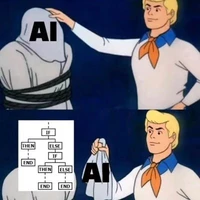
Block Shuffle: A Method for High-resolution Fast Style Transfer with Limited Memory
Fast Style Transfer is a series of Neural Style Transfer algorithms that use feed-forward neural networks to render input images. Because of the high dimension of the output layer, these networks require much memory for computation. Therefore, for high-resolution images, most mobile devices and personal computers cannot stylize them, which greatly limits the application scenarios of Fast Style Transfer. At present, the two existing solutions are purchasing more memory and using the feathering-based method, but the former requires additional cost, and the latter has poor image quality. To solve this problem, we propose a novel image synthesis method named block shuffle, which converts a single task with high memory consumption to multiple subtasks with low memory consumption. This method can act as a plug-in for Fast Style Transfer without any modification to the network architecture. We use the most popular Fast Style Transfer repository on GitHub as the baseline. Experiments show that the quality of high-resolution images generated by our method is better than that of the feathering-based method. Although our method is an order of magnitude slower than the baseline, it can stylize high-resolution images with limited memory, which is impossible with the baseline. The code and models will be made available on https://github.com/czczup/block-shuffle.
Low-code LLM: Graphical User Interface over Large Language Models
Utilizing Large Language Models (LLMs) for complex tasks is challenging, often involving a time-consuming and uncontrollable prompt engineering process. This paper introduces a novel human-LLM interaction framework, Low-code LLM. It incorporates six types of simple low-code visual programming interactions to achieve more controllable and stable responses. Through visual interaction with a graphical user interface, users can incorporate their ideas into the process without writing trivial prompts. The proposed Low-code LLM framework consists of a Planning LLM that designs a structured planning workflow for complex tasks, which can be correspondingly edited and confirmed by users through low-code visual programming operations, and an Executing LLM that generates responses following the user-confirmed workflow. We highlight three advantages of the low-code LLM: user-friendly interaction, controllable generation, and wide applicability. We demonstrate its benefits using four typical applications. By introducing this framework, we aim to bridge the gap between humans and LLMs, enabling more effective and efficient utilization of LLMs for complex tasks. The code, prompts, and experimental details are available at https://github.com/moymix/TaskMatrix/tree/main/LowCodeLLM. A system demonstration video can be found at https://www.youtube.com/watch?v=jb2C1vaeO3E.

Meta Networks for Neural Style Transfer
In this paper we propose a new method to get the specified network parameters through one time feed-forward propagation of the meta networks and explore the application to neural style transfer. Recent works on style transfer typically need to train image transformation networks for every new style, and the style is encoded in the network parameters by enormous iterations of stochastic gradient descent. To tackle these issues, we build a meta network which takes in the style image and produces a corresponding image transformations network directly. Compared with optimization-based methods for every style, our meta networks can handle an arbitrary new style within 19ms seconds on one modern GPU card. The fast image transformation network generated by our meta network is only 449KB, which is capable of real-time executing on a mobile device. We also investigate the manifold of the style transfer networks by operating the hidden features from meta networks. Experiments have well validated the effectiveness of our method. Code and trained models has been released https://github.com/FalongShen/styletransfer.
Text-to-Image Synthesis for Any Artistic Styles: Advancements in Personalized Artistic Image Generation via Subdivision and Dual Binding
Recent advancements in text-to-image models, such as Stable Diffusion, have demonstrated their ability to synthesize visual images through natural language prompts. One approach of personalizing text-to-image models, exemplified by DreamBooth, fine-tunes the pre-trained model by binding unique text identifiers with a few images of a specific subject. Although existing fine-tuning methods have demonstrated competence in rendering images according to the styles of famous painters, it is still challenging to learn to produce images encapsulating distinct art styles due to abstract and broad visual perceptions of stylistic attributes such as lines, shapes, textures, and colors. In this paper, we introduce a new method, Single-StyleForge, for personalization. It fine-tunes pre-trained text-to-image diffusion models to generate diverse images in specified styles from text prompts. By using around 15-20 images of the target style, the approach establishes a foundational binding of a unique token identifier with a broad range of the target style. It also utilizes auxiliary images to strengthen this binding, resulting in offering specific guidance on representing elements such as persons in a target style-consistent manner. In addition, we present ways to improve the quality of style and text-image alignment through a method called Multi-StyleForge, which inherits the strategy used in StyleForge and learns tokens in multiple. Experimental evaluation conducted on six distinct artistic styles demonstrates substantial improvements in both the quality of generated images and the perceptual fidelity metrics, such as FID, KID, and CLIP scores.
StyleTex: Style Image-Guided Texture Generation for 3D Models
Style-guided texture generation aims to generate a texture that is harmonious with both the style of the reference image and the geometry of the input mesh, given a reference style image and a 3D mesh with its text description. Although diffusion-based 3D texture generation methods, such as distillation sampling, have numerous promising applications in stylized games and films, it requires addressing two challenges: 1) decouple style and content completely from the reference image for 3D models, and 2) align the generated texture with the color tone, style of the reference image, and the given text prompt. To this end, we introduce StyleTex, an innovative diffusion-model-based framework for creating stylized textures for 3D models. Our key insight is to decouple style information from the reference image while disregarding content in diffusion-based distillation sampling. Specifically, given a reference image, we first decompose its style feature from the image CLIP embedding by subtracting the embedding's orthogonal projection in the direction of the content feature, which is represented by a text CLIP embedding. Our novel approach to disentangling the reference image's style and content information allows us to generate distinct style and content features. We then inject the style feature into the cross-attention mechanism to incorporate it into the generation process, while utilizing the content feature as a negative prompt to further dissociate content information. Finally, we incorporate these strategies into StyleTex to obtain stylized textures. The resulting textures generated by StyleTex retain the style of the reference image, while also aligning with the text prompts and intrinsic details of the given 3D mesh. Quantitative and qualitative experiments show that our method outperforms existing baseline methods by a significant margin.

Type Prediction With Program Decomposition and Fill-in-the-Type Training
TypeScript and Python are two programming languages that support optional type annotations, which are useful but tedious to introduce and maintain. This has motivated automated type prediction: given an untyped program, produce a well-typed output program. Large language models (LLMs) are promising for type prediction, but there are challenges: fill-in-the-middle performs poorly, programs may not fit into the context window, generated types may not type check, and it is difficult to measure how well-typed the output program is. We address these challenges by building OpenTau, a search-based approach for type prediction that leverages large language models. We propose a new metric for type prediction quality, give a tree-based program decomposition that searches a space of generated types, and present fill-in-the-type fine-tuning for LLMs. We evaluate our work with a new dataset for TypeScript type prediction, and show that 47.4% of files type check (14.5% absolute improvement) with an overall rate of 3.3 type errors per file. All code, data, and models are available at: https://github.com/GammaTauAI/opentau.



DreamStyler: Paint by Style Inversion with Text-to-Image Diffusion Models
Recent progresses in large-scale text-to-image models have yielded remarkable accomplishments, finding various applications in art domain. However, expressing unique characteristics of an artwork (e.g. brushwork, colortone, or composition) with text prompts alone may encounter limitations due to the inherent constraints of verbal description. To this end, we introduce DreamStyler, a novel framework designed for artistic image synthesis, proficient in both text-to-image synthesis and style transfer. DreamStyler optimizes a multi-stage textual embedding with a context-aware text prompt, resulting in prominent image quality. In addition, with content and style guidance, DreamStyler exhibits flexibility to accommodate a range of style references. Experimental results demonstrate its superior performance across multiple scenarios, suggesting its promising potential in artistic product creation.


StyleSculptor: Zero-Shot Style-Controllable 3D Asset Generation with Texture-Geometry Dual Guidance
Creating 3D assets that follow the texture and geometry style of existing ones is often desirable or even inevitable in practical applications like video gaming and virtual reality. While impressive progress has been made in generating 3D objects from text or images, creating style-controllable 3D assets remains a complex and challenging problem. In this work, we propose StyleSculptor, a novel training-free approach for generating style-guided 3D assets from a content image and one or more style images. Unlike previous works, StyleSculptor achieves style-guided 3D generation in a zero-shot manner, enabling fine-grained 3D style control that captures the texture, geometry, or both styles of user-provided style images. At the core of StyleSculptor is a novel Style Disentangled Attention (SD-Attn) module, which establishes a dynamic interaction between the input content image and style image for style-guided 3D asset generation via a cross-3D attention mechanism, enabling stable feature fusion and effective style-guided generation. To alleviate semantic content leakage, we also introduce a style-disentangled feature selection strategy within the SD-Attn module, which leverages the variance of 3D feature patches to disentangle style- and content-significant channels, allowing selective feature injection within the attention framework. With SD-Attn, the network can dynamically compute texture-, geometry-, or both-guided features to steer the 3D generation process. Built upon this, we further propose the Style Guided Control (SGC) mechanism, which enables exclusive geometry- or texture-only stylization, as well as adjustable style intensity control. Extensive experiments demonstrate that StyleSculptor outperforms existing baseline methods in producing high-fidelity 3D assets.

LP Data Pipeline: Lightweight, Purpose-driven Data Pipeline for Large Language Models
Creating high-quality, large-scale datasets for large language models (LLMs) often relies on resource-intensive, GPU-accelerated models for quality filtering, making the process time-consuming and costly. This dependence on GPUs limits accessibility for organizations lacking significant computational infrastructure. To address this issue, we introduce the Lightweight, Purpose-driven (LP) Data Pipeline, a framework that operates entirely on CPUs to streamline the processes of dataset extraction, filtering, and curation. Based on our four core principles, the LP Data Pipeline significantly reduces preparation time and cost while maintaining high data quality. Importantly, our pipeline enables the creation of purpose-driven datasets tailored to specific domains and languages, enhancing the applicability of LLMs in specialized contexts. We anticipate that our pipeline will lower the barriers to LLM development, enabling a wide range of organizations to access LLMs more easily.
Style-Friendly SNR Sampler for Style-Driven Generation
Recent large-scale diffusion models generate high-quality images but struggle to learn new, personalized artistic styles, which limits the creation of unique style templates. Fine-tuning with reference images is the most promising approach, but it often blindly utilizes objectives and noise level distributions used for pre-training, leading to suboptimal style alignment. We propose the Style-friendly SNR sampler, which aggressively shifts the signal-to-noise ratio (SNR) distribution toward higher noise levels during fine-tuning to focus on noise levels where stylistic features emerge. This enables models to better capture unique styles and generate images with higher style alignment. Our method allows diffusion models to learn and share new "style templates", enhancing personalized content creation. We demonstrate the ability to generate styles such as personal watercolor paintings, minimal flat cartoons, 3D renderings, multi-panel images, and memes with text, thereby broadening the scope of style-driven generation.


ModuleFormer: Learning Modular Large Language Models From Uncurated Data
Large Language Models (LLMs) have achieved remarkable results. But existing models are expensive to train and deploy, and it is also difficult to expand their knowledge beyond pre-training data without forgetting previous knowledge. This paper proposes a new neural network architecture, ModuleFormer, that leverages modularity to improve the efficiency and flexibility of large language models. ModuleFormer is based on the Sparse Mixture of Experts (SMoE). Unlike the previous SMoE-based modular language model [Gururangan et al., 2021], which requires domain-labeled data to learn domain-specific experts, ModuleFormer can induce modularity from uncurated data with its new load balancing and load concentration losses. ModuleFormer is a modular architecture that includes two different types of modules, new stick-breaking attention heads, and feedforward experts. Different modules are sparsely activated conditions on the input token during training and inference. In our experiment, we found that the modular architecture enables three important abilities for large pre-trained language models: 1) Efficiency, since ModuleFormer only activates a subset of its modules for each input token, thus it could achieve the same performance as dense LLMs with more than two times throughput; 2) Extendability, ModuleFormer is more immune to catastrophic forgetting than dense LLMs and can be easily extended with new modules to learn new knowledge that is not included in the training data; 3) Specialisation, finetuning ModuleFormer could specialize a subset of modules to the finetuning task, and the task-unrelated modules could be easily pruned for a lightweight deployment.

A Large-scale Class-level Benchmark Dataset for Code Generation with LLMs
Recent advancements in large language models (LLMs) have demonstrated promising capabilities in code generation tasks. However, most existing benchmarks focus on isolated functions and fail to capture the complexity of real-world, class-level software structures. To address this gap, we introduce a large-scale, Python class-level dataset curated from 13{,}174 real-world open-source projects. The dataset contains over 842,000 class skeletons, each including class and method signatures, along with associated docstrings when available. We preserve structural and contextual dependencies critical to realistic software development scenarios and enrich the dataset with static code metrics to support downstream analysis. To evaluate the usefulness of this dataset, we use extracted class skeletons as prompts for GPT-4 to generate full class implementations. Results show that the LLM-generated classes exhibit strong lexical and structural similarity to human-written counterparts, with average ROUGE@L, BLEU, and TSED scores of 0.80, 0.59, and 0.73, respectively. These findings confirm that well-structured prompts derived from real-world class skeletons significantly enhance LLM performance in class-level code generation. This dataset offers a valuable resource for benchmarking, training, and improving LLMs in realistic software engineering contexts.

SPG: Style-Prompting Guidance for Style-Specific Content Creation
Although recent text-to-image (T2I) diffusion models excel at aligning generated images with textual prompts, controlling the visual style of the output remains a challenging task. In this work, we propose Style-Prompting Guidance (SPG), a novel sampling strategy for style-specific image generation. SPG constructs a style noise vector and leverages its directional deviation from unconditional noise to guide the diffusion process toward the target style distribution. By integrating SPG with Classifier-Free Guidance (CFG), our method achieves both semantic fidelity and style consistency. SPG is simple, robust, and compatible with controllable frameworks like ControlNet and IPAdapter, making it practical and widely applicable. Extensive experiments demonstrate the effectiveness and generality of our approach compared to state-of-the-art methods. Code is available at https://github.com/Rumbling281441/SPG.
NanoVLMs: How small can we go and still make coherent Vision Language Models?
Vision-Language Models (VLMs), such as GPT-4V and Llama 3.2 vision, have garnered significant research attention for their ability to leverage Large Language Models (LLMs) in multimodal tasks. However, their potential is constrained by inherent challenges, including proprietary restrictions, substantial computational demands, and limited accessibility. Smaller models, such as GIT and BLIP, exhibit marked limitations, often failing to generate coherent and consistent text beyond a few tokens, even with extensive training. This underscores a pivotal inquiry: how small can a VLM be and still produce fluent and consistent text? Drawing inspiration from the exceptional learning process of 3-4 year old children, who rely heavily on visual cues for understanding and communication, we introduce two novel datasets: ShortDesc (featuring concise image descriptions) and LongDesc (containing more detailed image descriptions). These datasets consist of image-text pairs where the text is restricted to the simple vocabulary and syntax typically used by young children, generated with a scaled- down model, GPT-4o. Using these datasets, we demonstrate that it is possible to train VLMs that are significantly smaller, up to 10 times smaller than state of the art(SOTA) small VLMs while maintaining architectural simplicity. To evaluate the outputs, we leverage GPT-4o to grade the text, as if stories written by students, on creativity, meaningfulness, and consistency, assigning scores out of 10. This method addresses limitations of standard benchmarks by accommodating unstructured outputs and providing a multidimensional evaluation of the model capabilities. Our findings contribute to the development of lightweight, accessible multimodal models for resource constrained environments.

FiVA: Fine-grained Visual Attribute Dataset for Text-to-Image Diffusion Models
Recent advances in text-to-image generation have enabled the creation of high-quality images with diverse applications. However, accurately describing desired visual attributes can be challenging, especially for non-experts in art and photography. An intuitive solution involves adopting favorable attributes from the source images. Current methods attempt to distill identity and style from source images. However, "style" is a broad concept that includes texture, color, and artistic elements, but does not cover other important attributes such as lighting and dynamics. Additionally, a simplified "style" adaptation prevents combining multiple attributes from different sources into one generated image. In this work, we formulate a more effective approach to decompose the aesthetics of a picture into specific visual attributes, allowing users to apply characteristics such as lighting, texture, and dynamics from different images. To achieve this goal, we constructed the first fine-grained visual attributes dataset (FiVA) to the best of our knowledge. This FiVA dataset features a well-organized taxonomy for visual attributes and includes around 1 M high-quality generated images with visual attribute annotations. Leveraging this dataset, we propose a fine-grained visual attribute adaptation framework (FiVA-Adapter), which decouples and adapts visual attributes from one or more source images into a generated one. This approach enhances user-friendly customization, allowing users to selectively apply desired attributes to create images that meet their unique preferences and specific content requirements.





Task-Specific Adaptation with Restricted Model Access
The emergence of foundational models has greatly improved performance across various downstream tasks, with fine-tuning often yielding even better results. However, existing fine-tuning approaches typically require access to model weights and layers, leading to challenges such as managing multiple model copies or inference pipelines, inefficiencies in edge device optimization, and concerns over proprietary rights, privacy, and exposure to unsafe model variants. In this paper, we address these challenges by exploring "Gray-box" fine-tuning approaches, where the model's architecture and weights remain hidden, allowing only gradient propagation. We introduce a novel yet simple and effective framework that adapts to new tasks using two lightweight learnable modules at the model's input and output. Additionally, we present a less restrictive variant that offers more entry points into the model, balancing performance with model exposure. We evaluate our approaches across several backbones on benchmarks such as text-image alignment, text-video alignment, and sketch-image alignment. Results show that our Gray-box approaches are competitive with full-access fine-tuning methods, despite having limited access to the model.


Magic Clothing: Controllable Garment-Driven Image Synthesis
We propose Magic Clothing, a latent diffusion model (LDM)-based network architecture for an unexplored garment-driven image synthesis task. Aiming at generating customized characters wearing the target garments with diverse text prompts, the image controllability is the most critical issue, i.e., to preserve the garment details and maintain faithfulness to the text prompts. To this end, we introduce a garment extractor to capture the detailed garment features, and employ self-attention fusion to incorporate them into the pretrained LDMs, ensuring that the garment details remain unchanged on the target character. Then, we leverage the joint classifier-free guidance to balance the control of garment features and text prompts over the generated results. Meanwhile, the proposed garment extractor is a plug-in module applicable to various finetuned LDMs, and it can be combined with other extensions like ControlNet and IP-Adapter to enhance the diversity and controllability of the generated characters. Furthermore, we design Matched-Points-LPIPS (MP-LPIPS), a robust metric for evaluating the consistency of the target image to the source garment. Extensive experiments demonstrate that our Magic Clothing achieves state-of-the-art results under various conditional controls for garment-driven image synthesis. Our source code is available at https://github.com/ShineChen1024/MagicClothing.



PromptStyler: Prompt-driven Style Generation for Source-free Domain Generalization
In a joint vision-language space, a text feature (e.g., from "a photo of a dog") could effectively represent its relevant image features (e.g., from dog photos). Inspired by this, we propose PromptStyler which simulates various distribution shifts in the joint space by synthesizing diverse styles via prompts without using any images to deal with source-free domain generalization. Our method learns to generate a variety of style features (from "a S* style of a") via learnable style word vectors for pseudo-words S*. To ensure that learned styles do not distort content information, we force style-content features (from "a S* style of a [class]") to be located nearby their corresponding content features (from "[class]") in the joint vision-language space. After learning style word vectors, we train a linear classifier using synthesized style-content features. PromptStyler achieves the state of the art on PACS, VLCS, OfficeHome and DomainNet, although it does not require any images and takes just ~30 minutes for training using a single GPU.



Towards Visual Text Design Transfer Across Languages
Visual text design plays a critical role in conveying themes, emotions, and atmospheres in multimodal formats such as film posters and album covers. Translating these visual and textual elements across languages extends the concept of translation beyond mere text, requiring the adaptation of aesthetic and stylistic features. To address this, we introduce a novel task of Multimodal Style Translation (MuST-Bench), a benchmark designed to evaluate the ability of visual text generation models to perform translation across different writing systems while preserving design intent. Our initial experiments on MuST-Bench reveal that existing visual text generation models struggle with the proposed task due to the inadequacy of textual descriptions in conveying visual design. In response, we introduce SIGIL, a framework for multimodal style translation that eliminates the need for style descriptions. SIGIL enhances image generation models through three innovations: glyph latent for multilingual settings, pretrained VAEs for stable style guidance, and an OCR model with reinforcement learning feedback for optimizing readable character generation. SIGIL outperforms existing baselines by achieving superior style consistency and legibility while maintaining visual fidelity, setting itself apart from traditional description-based approaches. We release MuST-Bench publicly for broader use and exploration https://huggingface.co/datasets/yejinc/MuST-Bench.

